

 Call Us:
011 4338 8888
Call Us:
011 4338 8888

 Book an Appointment
 Locate us on Google Map
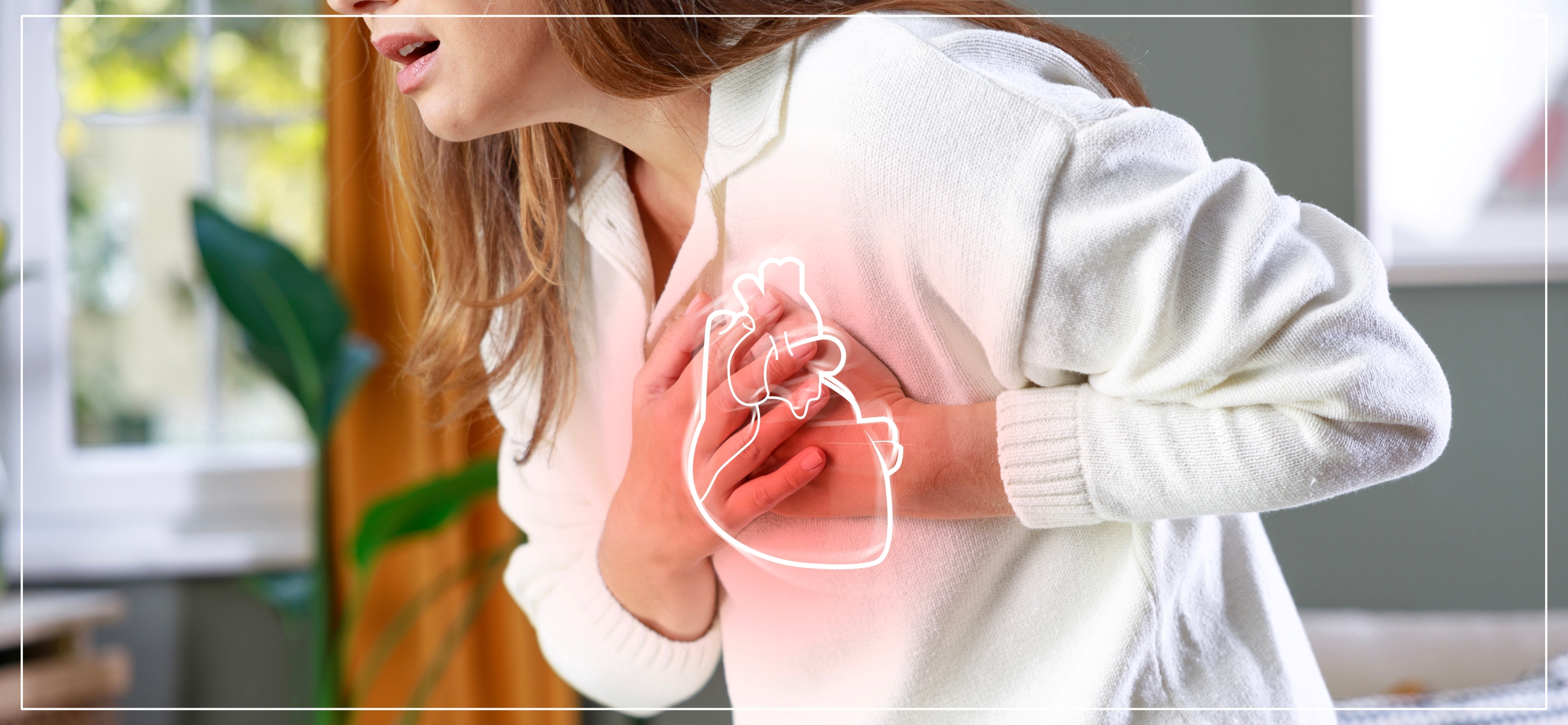
Heart attacks are often shown in movies as sudden chest pain where a person collapses. Because of this, the public believes heart attack symptoms are the same for everyone. In reality, heart attack warning signs can be very different in men and women. Many people are not aware of these differences, which leads to delayed treatment, especially in women. At Aakash Healthcare, we emphasizes public awareness about gender-specific symptoms to help save lives by encouraging early medical care.
A heart attack occurs when blood flow to the heart muscle is blocked, usually by a blood clot. Without enough oxygen, part of the heart muscle begins to get damaged. The faster medical help is given, the more heart muscle can be saved. Knowing early symptoms is very important for both men and women.
Men often experience what are considered “classic” heart attack symptoms. The most common sign is chest pain or discomfort. This pain is usually felt in the center or left side of the chest and may feel like pressure, tightness, heaviness, or burning. The pain can spread to the left arm, shoulder, neck, jaw, or back.
Other common symptoms in men include shortness of breath, cold sweating, nausea, and dizziness. These symptoms usually come on suddenly and are intense, making men more likely to seek emergency help quickly.
Women may not always experience severe chest pain during a heart attack. Instead, their symptoms are often milder and less obvious. Many women feel extreme tiredness, shortness of breath, nausea, vomiting, or light-headedness. Some may feel pain in the neck, jaw, back, or upper stomach rather than in the chest.
Women are also more likely to experience heartburn-like pain or pressure. Because these symptoms can look like stress, indigestion, or anxiety, many women delay going to the hospital, which increases the risk of serious damage.
The difference in symptoms is linked to how heart disease develops in men and women. Women often have blockages in smaller blood vessels, while men usually have blockages in larger arteries. Hormonal differences, especially after menopause, also play a role. These factors cause women to experience more subtle and unusual symptoms compared to men.
Because women’s symptoms are less dramatic, they are more likely to ignore them or be misdiagnosed. Women may also prioritize family or work responsibilities and delay seeking help. Studies show that women often reach the hospital later than men during a heart attack, which affects treatment outcomes.
However, both men and women should take heart symptoms seriously. Warning signs include chest discomfort, shortness of breath, sudden sweating, nausea, dizziness, unexplained tiredness, and pain in the arm, back, neck, or jaw. If these symptoms last more than a few minutes or come and go, immediate medical attention is needed.
If you or someone around you experiences heart attack symptoms, do not wait. Call emergency services immediately. Do not try to drive yourself to the hospital unless no other option is available. Early treatment can save life and prevent long-term heart damage.
Both men and women can reduce their risk by following healthy habits. Eating a balanced diet, exercising regularly, maintaining a healthy weight, managing stress, and getting enough sleep are important. Quitting smoking, limiting alcohol, and controlling blood pressure, cholesterol, and blood sugar levels also help protect the heart.
Heart attack symptoms are not the same in men and women. Men often experience strong chest pain, while women may have milder and unusual symptoms that are easy to miss. Public awareness of these differences is essential to ensure faster treatment and better survival. If we are aware of the signs signs and act quickly, we can live a longer and healthier life. Further, if you have any query related to heart health, you can consult our cardiologist experts at Aakash Healthcare Super Speciality Hospital for best advice and treatment.
 011 4338 8888



Leave a Reply
Your email address will not be published. Required fields are marked *