

 Call Us:
011 4338 8888
Call Us:
011 4338 8888

 Book an Appointment
 Locate us on Google Map
Urinary Tract Infections (UTIs) are one of the most common health problems faced by women across all age groups. Many women experience burning during urination, frequent urges to pass urine, or lower abdominal discomfort at least once in their lifetime. UTIs not only cause physical discomfort but can also disturb daily routines, work, and sleep.
So, it is very important to understand why women are more prone to UTIs can help in early prevention, timely treatment and better overall urinary health.
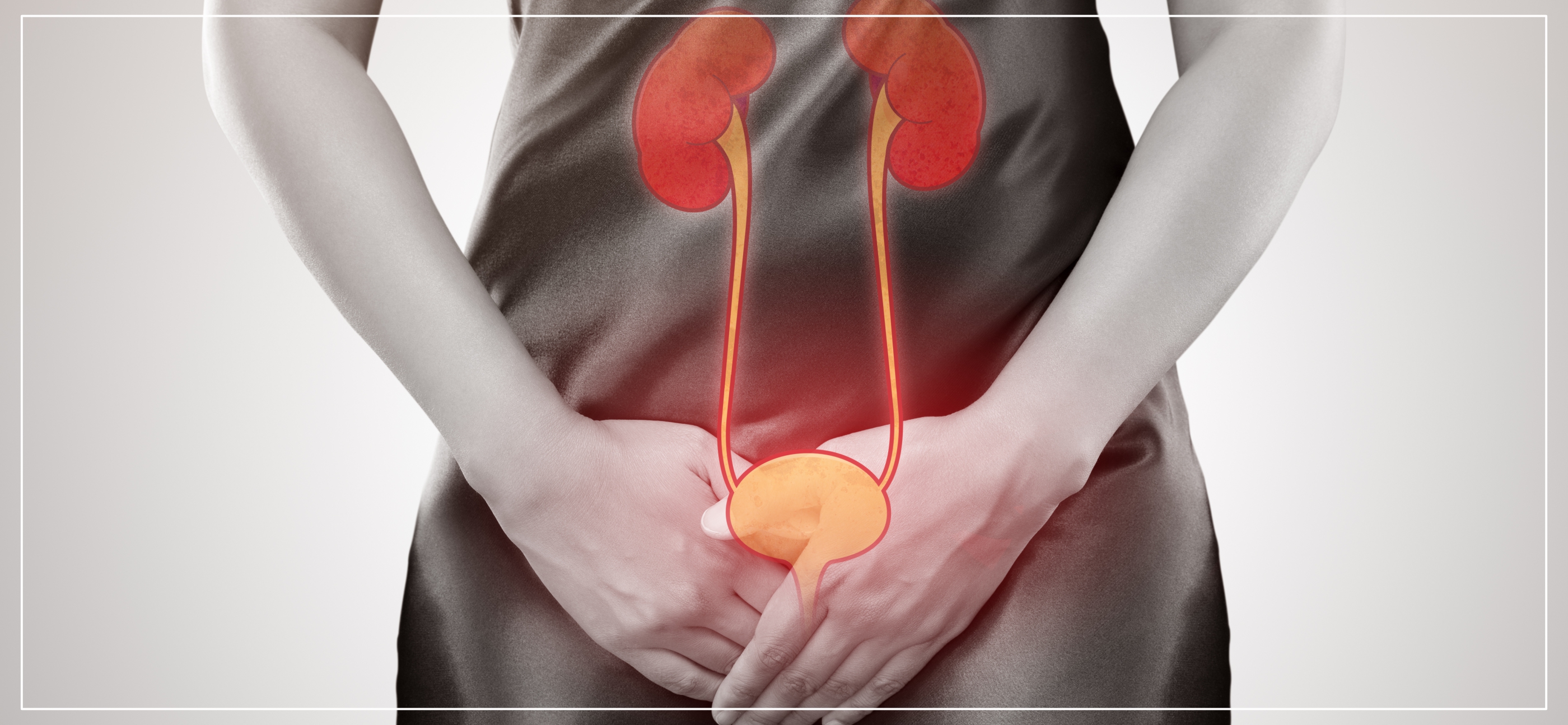
A UTI is an infection that affects any part of the urinary system, including the kidneys, bladder, ureters, or urethra. Most UTIs affect the bladder and urethra. They are usually caused by bacteria, most commonly E. coli, which normally live in the intestines but enter the urinary tract. It is more common in females because of the following reasons:
Shorter Urethra in Females
One of the main reasons UTIs are more common in females is anatomy. Women have a much shorter urethra compared to men. The urethra is the tube that carries urine out of the body. Because it is shorter, bacteria can reach the bladder more easily and quickly, increasing the risk of infection.
Closer Location to the Anus
In women, the urethral opening is located very close to the anus. This makes it easier for bacteria from the bowel to move toward the urinary opening, especially if proper hygiene is not followed. Incorrect wiping after using the toilet (back to front instead of front to back) can increase this risk.
Sexual Activity
Sexual activity is another common trigger for UTIs in women. During intercourse, bacteria can be pushed into the urethra. This is why some women develop UTIs soon after sexual activity. Not urinating after intercourse can allow bacteria to stay longer in the urinary tract and cause infection.
Hormonal Changes
Hormonal changes also play an important role. During pregnancy and after menopause, changes in estrogen levels affect the protective lining of the urinary tract. Lower estrogen levels reduce the body’s natural defense against bacteria, making infections more likely, especially in older women.
Pregnancy Increases Risk
Pregnant women are more prone to UTIs because hormonal changes slow down urine flow and enlarge the uterus, which can press on the bladder. This makes it harder to empty the bladder completely, allowing bacteria to grow. Untreated UTIs during pregnancy can lead to complications, so regular urine checks are important.
Poor Hydration and Holding Urine
Not drinking enough water and holding urine for long hours increases the risk of UTIs. When urine stays in the bladder for too long, bacteria get time to multiply. Women who avoid using public toilets or ignore the urge to urinate are more likely to develop infections.
Using harsh soaps, vaginal sprays, douches, or scented hygiene products can irritate the urinary opening and disturb the natural balance of healthy bacteria. This irritation makes it easier for harmful bacteria to grow and cause UTIs.
Simple lifestyle changes mentioned below can greatly reduce the risk of UTIs
Drink plenty of water daily
If symptoms like burning urination, frequent urges to urinate, cloudy or foul-smelling urine, fever, or lower abdominal pain appear, medical attention should be sought immediately. Early treatment prevents complications and kidney infections.
UTIs are more common in females mainly due to anatomical differences, hormonal changes, and daily habits. Awareness, good hygiene, and early care can help women protect their urinary health and avoid repeated infections. Regular check-ups and timely treatment play a key role in staying healthy and comfortable. So, do visit Aakash Healthcare Super Speciality Hospital, Dwarka, to keep yourself informed, proactive and healthy because many health issues remain silent for years and regular check-ups are the best way to detect problems early and prevent complications.
 011 4338 8888


Leave a Reply
Your email address will not be published. Required fields are marked *