

 Call Us:
011 4338 8888
Call Us:
011 4338 8888

 Book an Appointment
 Locate us on Google Map
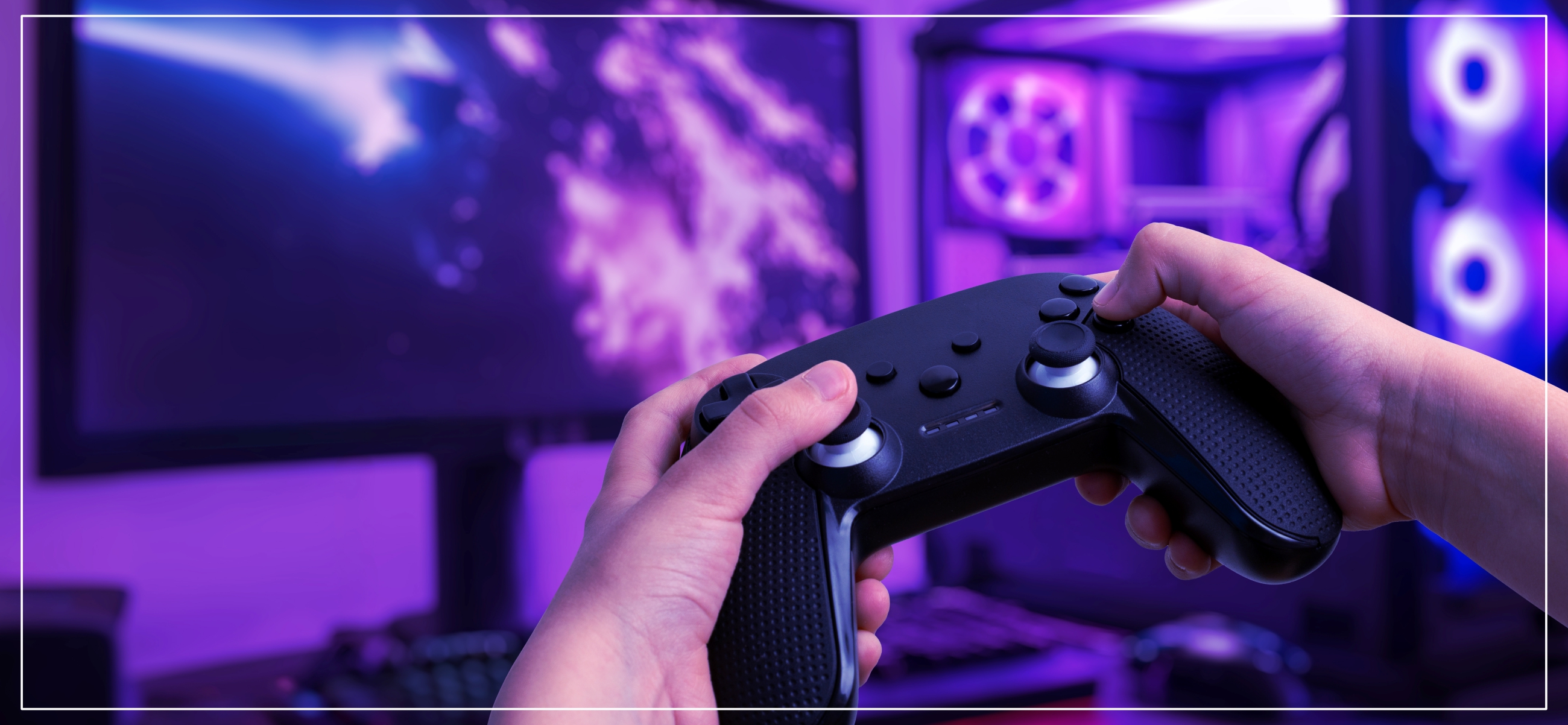
Nowadays, gaming has evolved from a casual pastime into a multi-billion-dollar global industry that connects millions. But behind the dazzling graphics and thrilling virtual victories, a growing concern is emerging — gaming addiction. And it is not just confined to children anymore, with adults also in its grip. While playing games occasionally can be entertaining and even beneficial for stress relief or cognitive sharpness, excessive gaming can take a serious toll on mental, emotional, and physical health. Night merges into day, social interactions fade, and a person’s life begins revolving solely around screens and gaming scores. Understanding gaming addiction, its warning signs, and available treatment options is crucial for timely intervention and recovery.
At Aakash Healthcare, specialised mental health professionals use a personalised approach to help individuals regain balance in their lives.
Gaming addiction, also known as Internet Gaming Disorder (IGD), is characterised by an uncontrollable urge to play video games, even when it negatively impacts personal, social, academic, or professional life. The World Health Organisation (WHO) officially recognises it as a mental health disorder, highlighting its growing prevalence, especially among teenagers and young adults. The key factor distinguishing gaming addiction from normal gaming is the loss of control. The person cannot stop playing even when they want to, choosing gaming over essential responsibilities and relationships.
Recognising the symptoms early can make a huge difference in preventing long-term consequences. Some common signs include:
Watch out for these signs particularly in the 5-20 years age bracket, and if these behaviours persist for over a year and disrupt daily functioning, professional help may be needed.
Several psychological and neurological factors contribute to gaming addiction. Many games are intentionally designed to be immersive — the constant rewards, achievements, and multiplayer social dynamics trigger the dopamine reward system in the brain. Furthermore, in a fast-paced, stressful world, gaming offers an escape — a virtual space where players feel accomplished, connected, and in control. However, when used as a coping mechanism for loneliness, depression, or anxiety, it can evolve into a serious dependency.
The good news is that gaming addiction is treatable with proper guidance, therapy, and support.
Common treatment methods include:
At Aakash Healthcare Super Speciality Hospital, Dwarka psychiatry clinicians also emphasise long-term coping strategies — teaching self-regulation, time management, and emotional resilience to prevent relapse.
Gaming in moderation can be a harmless activity, and it is even considered beneficial, as it improves coordination, strategic thinking, and problem-solving skills. However, when control slips away, it’s essential to recognise that seeking help is not a sign of weakness. If you know someone who is suffering from this type of gaming addiction, they can reach out for professional psychiatric help. With the right care and treatment, it’s possible to regain control, rebuild balance, and enjoy gaming as a healthy, positive part of life. For appointment bookings and any queries, please call: 88 000 159 05
 011 4338 8888



Leave a Reply
Your email address will not be published. Required fields are marked *