

 Call Us:
011 4338 8888
Call Us:
011 4338 8888

 Book an Appointment
 Locate us on Google Map
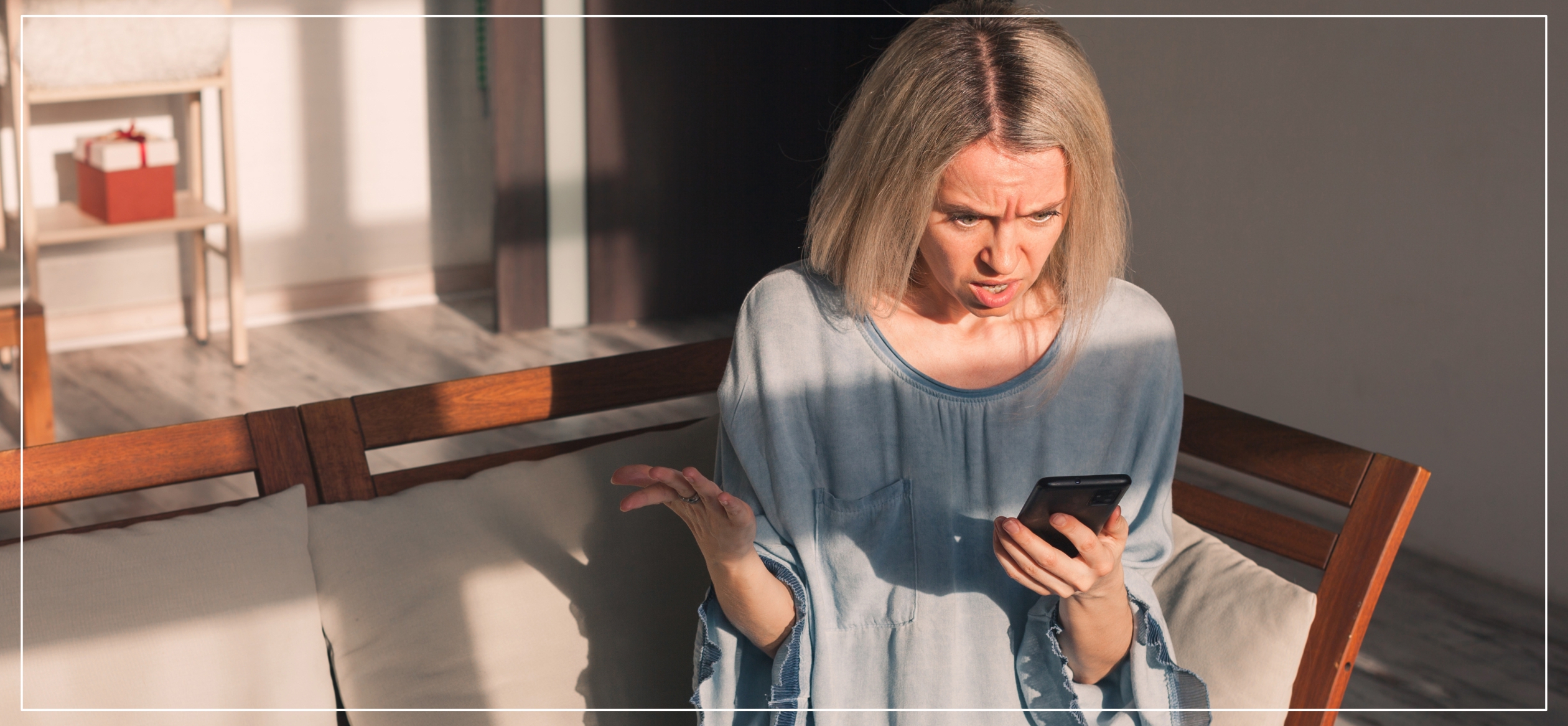
Imagine this scenario - It's 2 a.m., your eyes burn as you've stared at the sun, and your thumb hovers over "refresh" one more time. You've doom-scrolled through endless feeds of perfect vacations, filtered smiles, and motivational quotes that now feel like empty promises. Sounds familiar? You're not alone. At Aakash Healthcare, we regularly see patients who are struggling with Social Media burnout and seeking help from clinicians at the Psychiatry Department.
Social media burnout is real, and it's hitting harder than ever in our hyper-connected world. Let's dive in: why it's happening, what it feels like, and how to reclaim your peace.
It's that overwhelming fatigue from too much screen time, FOMO (fear of missing out), and the pressure to keep up. Unlike regular tiredness, it creeps up slowly. You start scrolling for fun, but soon it's a habit - checking notifications during meals, comparing your life to influencers' highlights, or stressing over likes. Studies show that heavy social media usage regularly increases anxiety and depression by up to 27%. In India, platforms like Instagram and WhatsApp dominate. Statistics reveal that 68% of young adults feel overwhelmed by their feeds. It's no joke; it's a silent epidemic. The signs are slow but clear. Emotionally, you might feel irritable, numb, or trapped in negativity - like every post triggers envy or self-doubt. Physically, headaches, insomnia, and eye strain become your new normal. At work or home, focus vanishes; you snap at loved ones or zone out during conversations. I've heard stories from friends who have deleted apps after realising they hadn't truly relaxed in months.
Algorithms are designed to hook you with dopamine hits from likes and shares, turning casual browsing into an addiction. Add societal pressure, think #HustleCulture or endless reels of "perfect" lives - and your brain overloads. The pandemic supercharged it; remote work blurred lines between life and screens. Now, with Gen Z and millennials glued to Social Media for hours daily, burnout isn't just "scroll fatigue" - it's a mental health red flag.
If symptoms persist, talk to a pro; therapy can unpack deeper issues. Social media burnout is real, but it doesn't have to win. By recognizing it and taking charge, you protect your mental health and enjoy the platforms mindfully. At Aakash Healthcare Super Speciality Hospital, we encourage patients to balance digital life with real-world wellness - because a rested mind heals faster. So, next time your thumb itches, pause. Log off, breathe, and reconnect with yourself. So that your future self will thank you.
 011 4338 8888



Leave a Reply
Your email address will not be published. Required fields are marked *