

 Call Us:
011 4338 8888
Call Us:
011 4338 8888

 Book an Appointment
 Locate us on Google Map
Heart disease remains a leading health concern in India, and one of its most common causes is blocked arteries. Many patients delay seeking treatment due to a fear of major operations or open-heart surgery. However, advancements in medical science have transformed cardiovascular care. Today, several non-surgical solutions for blocked arteries are available that can effectively restore blood flow with minimal discomfort and faster recovery.
Early diagnosis and timely intervention are crucial. By understanding modern treatment options, patients can make informed healthcare decisions and address issues before serious complications arise.
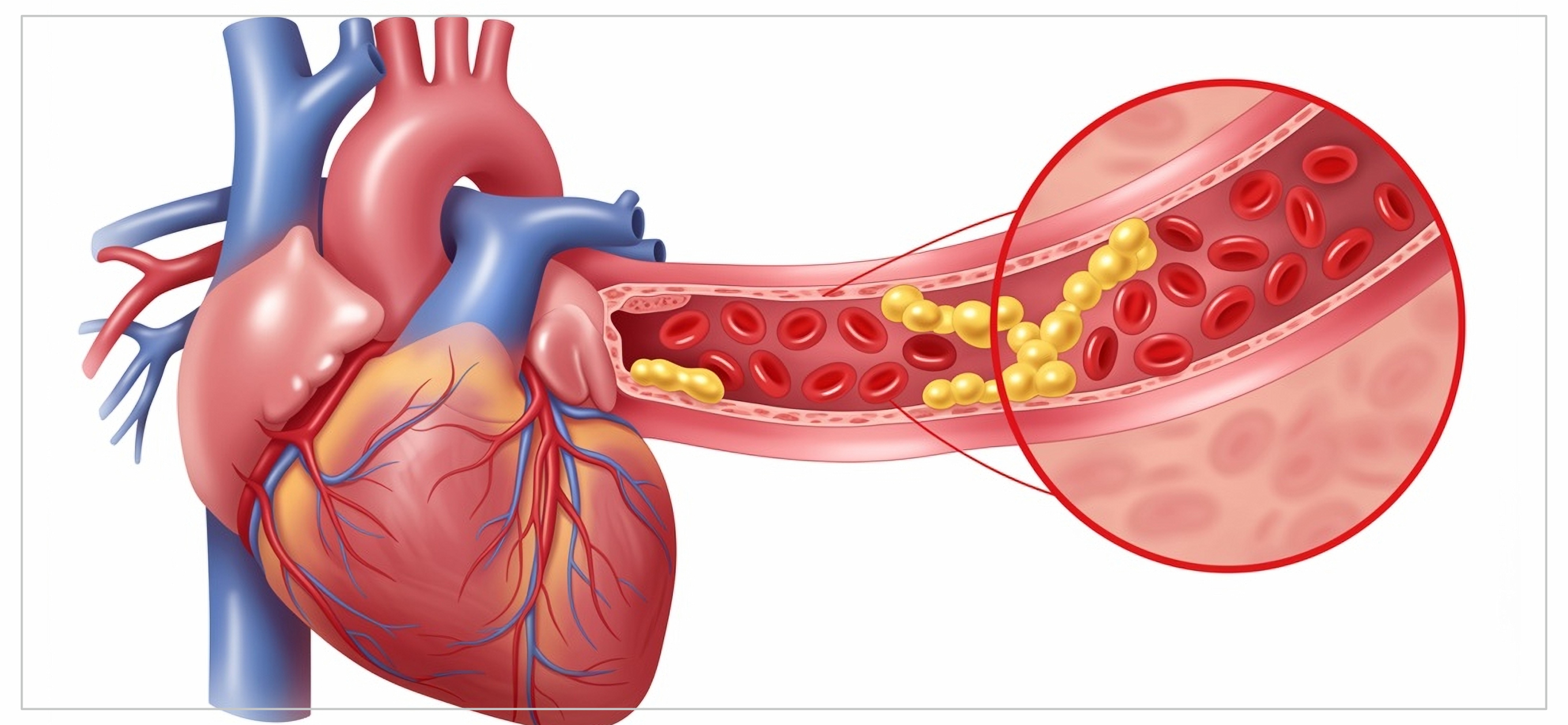
Arteries are the essential blood vessels that carry oxygen-rich blood from the heart to the rest of the body. Over time, fatty deposits, cholesterol, calcium, and other substances can accumulate along the arterial walls. This condition, known as plaque buildup or atherosclerosis, narrows the vessels and restricts vital blood flow.
When your heart doesn't get enough blood, you might feel chest pain, shortness of breath, or be very tired. If left untreated, this can even lead to a heart attack.
Common risk factors include:
Many people may not experience noticeable symptoms initially, making regular health screening important.
Blocked arteries can sometimes develop silently. However, certain warning signs require immediate medical attention:
Ignoring these symptoms may increase the risk of serious complications.
Modern cardiology treatment offers several advanced procedures that do not need large surgical incisions. These treatments focus on restoring blood flow through minimally invasive techniques.
One of the most commonly used blocked arteries treatment methods is angioplasty. In this procedure, a small catheter with a balloon is inserted into the narrowed artery. The balloon is inflated to widen the artery and improve blood flow.
The procedure is performed through a tiny puncture in the wrist or groin and usually requires a shorter hospital stay compared to traditional surgery.
During angioplasty, doctors may place a stent inside the artery. A stent is a small mesh tube that helps keep the artery open and prevents it from narrowing again.
Drug-eluting stents release medications gradually to reduce the risk of future blockage.
Another advanced option in blocked arteries treatment is the Drug-Coated Balloon (DCB). In this minimally invasive procedure, a balloon coated with medication is inserted into the blocked artery. As it expands, it opens the artery and delivers medicine directly to the vessel wall, helping reduce the risk of re-narrowing without leaving a permanent implant behind.
Advanced imaging techniques help cardiologists to examine artery conditions from within. These technologies provide detailed information about plaque composition and help doctors perform highly targeted procedures.
This improves treatment precision and outcomes while reducing complications.
Not every blockage requires an invasive procedure. In many cases, medications and lifestyle changes can effectively manage symptoms and slow disease progression.
Doctors may recommend:
Changes in lifestyle play a major role in maintaining long-term better heart health.
Minimally invasive procedures have changed the way cardiovascular diseases are treated. Some major advantages include:
Patients can often resume normal routines much sooner than with traditional surgeries.
The suitability of treatment depends on factors such as:
Before recommending any treatment cardiologist first thoroughly evaluates test results then suggests treatment options.
At Aakash Healthcare, we provide comprehensive cardiac care backed by advanced technology and experienced specialists. Our hospital offers a full range of services, including risk assessments, ECG, Echocardiography, CT, coronary angiography, diagnostic angiography and many more, all focused on early diagnosis and rapid recovery.
Now, having a blocked artery doesn't mean you must undergo major surgery. Advances in cardiovascular medicine have provided effective non-surgical solutions for blocked arteries that offer safer treatment experiences and faster recovery.
The most important thing is to identify the problem early and treat it quickly. Paying attention to symptoms, maintaining a healthy lifestyle, and seeking medical evaluation when needed can significantly reduce the risk of complications.
 011 4338 8888


Leave a Reply
Your email address will not be published. Required fields are marked *