

 Call Us:
011 4338 8888
Call Us:
011 4338 8888

 Book an Appointment
 Locate us on Google Map
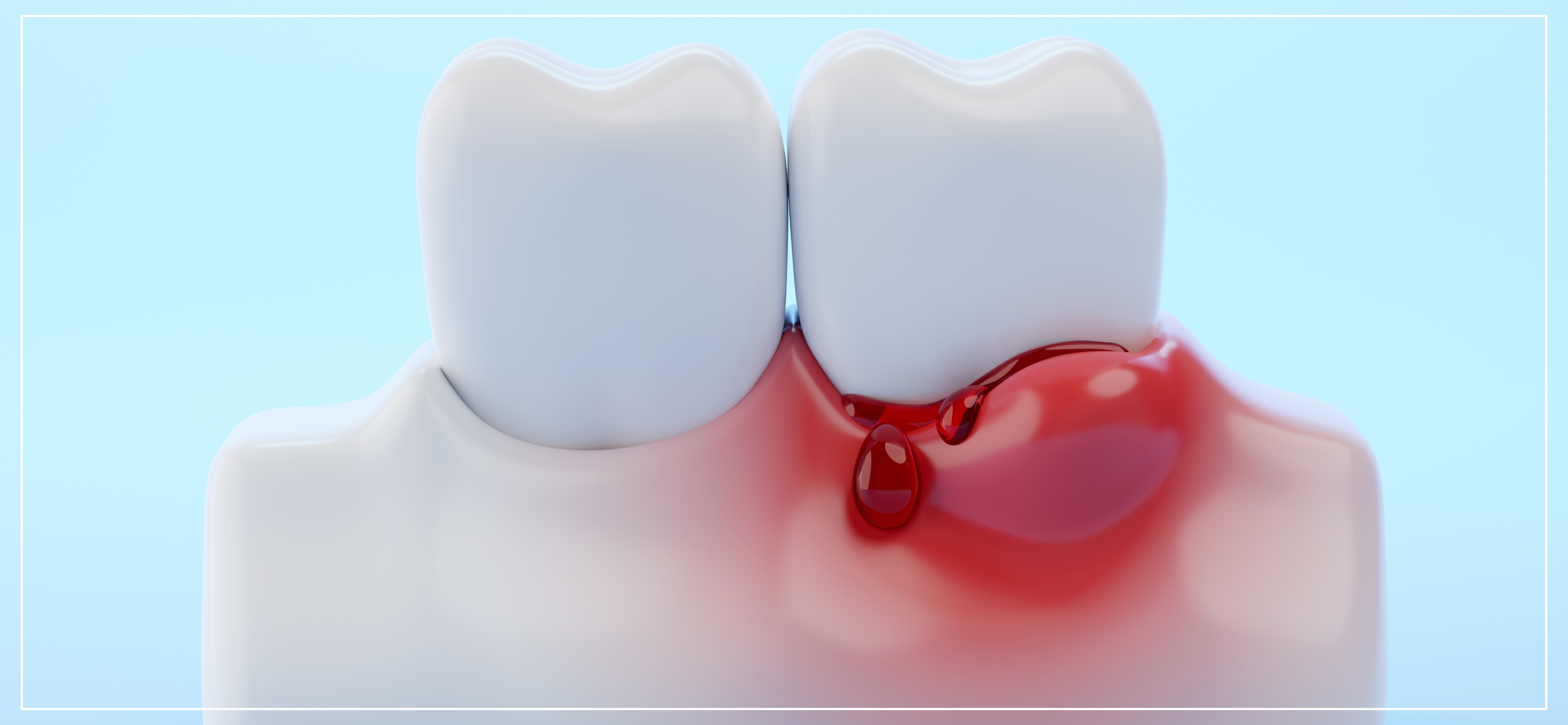
Do you notice blood staining the sink whenever you brush? Do you dismiss it as vigorous brushing and often proceed without concern? This is a common experience, yet it signals a critical underlying issue of gum disease, clinically known as gingivitis. Neglect it, and it may progress to periodontitis, potentially leading to tooth loss and even broader health complications. Here in this blog, we will examine why bleeding gums demand prompt attention and outline actionable steps for prevention and care.
Bleeding gums serve as the initial indicator of gum disease. Plaque, a bacterial film accumulated from the daily diet, adheres to the gumline. Without thorough brushing and flossing, it calcifies into tartar, inflaming the gums. This results in gingivitis, characterised by swelling, redness, and bleeding upon contact. Fortunately, gingivitis is reversible through consistent oral hygiene practices. However, untreated gingivitis advances to periodontitis, a more severe condition. Gums recede, creating pockets that harbor bacteria and lead to infection.
These infections erode the supporting bone and tissue, causing teeth to loosen, persistent halitosis, and eventual loss. Beyond oral health, studies associate gum disease with systemic risks, including cardiovascular disease, diabetes exacerbation, and stroke. Pathogenic bacteria can enter the bloodstream, contributing to these concerns. In India, contributing factors include tobacco use, paan consumption, and high-sugar diets prevalent in traditional cuisine.
Compounding risks arise from stress, inadequate sleep, and infrequent dental visits. Individuals with diabetes, smokers, and those experiencing hormonal changes - such as during pregnancy or menopause - are particularly susceptible. Early recognition of symptoms is essential. Key signs include bleeding during brushing or flossing, gum tenderness, pus around teeth, chronic bad breath, and receding gums exposing tooth roots.
Effective management begins with foundational habits:
In conclusion, bleeding gums are not a benign occurrence but a warning of potential oral and systemic health threats. Addressing them proactively preserves dental integrity and overall well-being. We urge scheduling a consultation promptly to safeguard your health. Aakash Healthcare prioritises comprehensive dental care covering regular exams, X-rays, fillings, crowns, bridges, implants, root canals, periodontal care, and cosmetic or orthodontic services. For dental consultations, call 88 000 159 05.
 011 4338 8888


Leave a Reply
Your email address will not be published. Required fields are marked *