

 Call Us:
011 4338 8888
Call Us:
011 4338 8888

 Book an Appointment
 Locate us on Google Map
In today’s busy lifestyle, many people rely on fast food, spend long hours sitting, and get very little physical activity. Weight gain has become common, and often people ignore it until it starts affecting their health. What may begin as a few extra kilos can slowly turn into obesity, increasing the risk of many serious health problems.
If we understand obesity and know about its impact, it can help people take timely steps toward a healthier life.
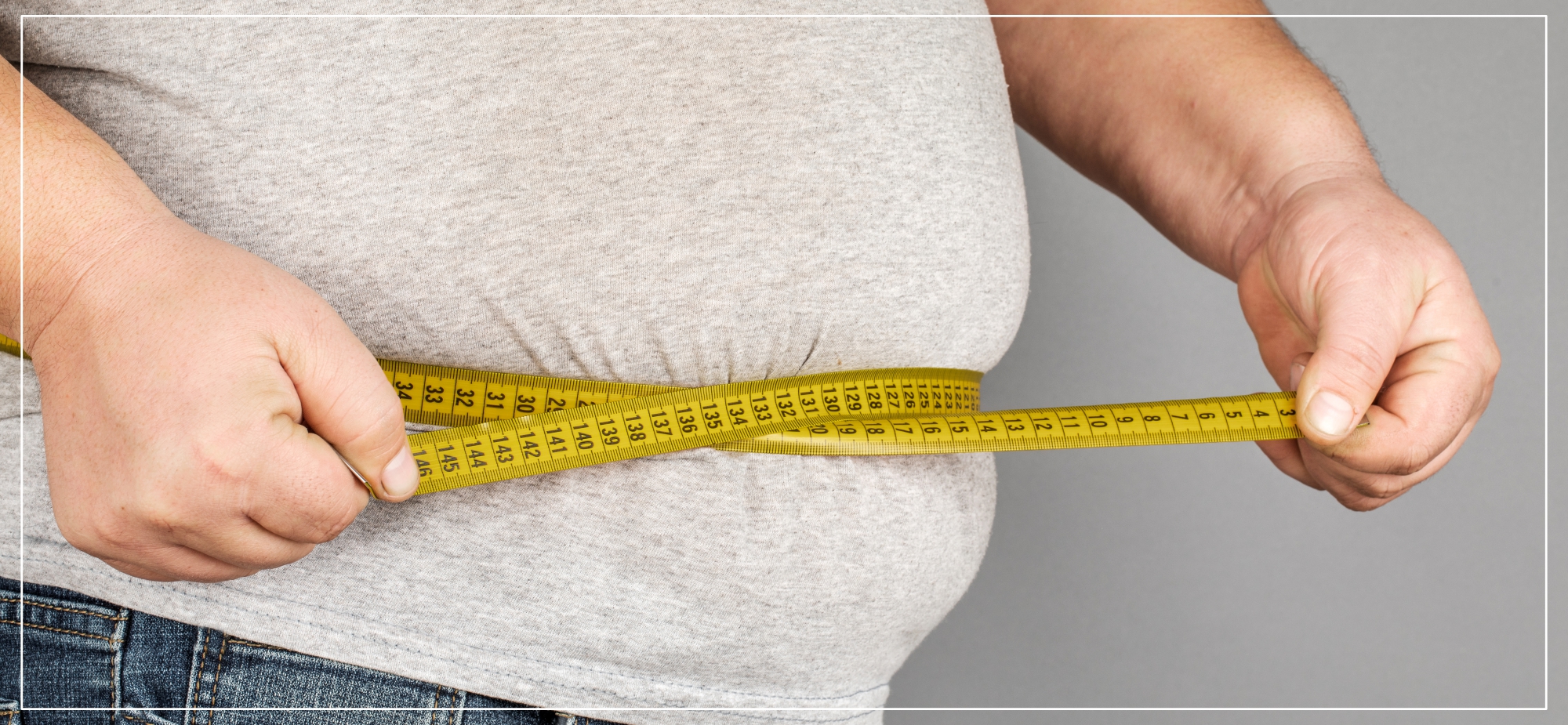
Obesity is a condition where excessive body fat builds up in the body and affects overall health. It is usually measured using Body Mass Index (BMI), where a BMI of 27 or above is considered obese.
Obesity is not just about appearance, rather it is a medical condition that can lead to various diseases and reduce quality of life.
Obesity does not happen overnight. It develops over time due to a combination of the following factors:
1. Unhealthy Diet: Eating high-calorie foods like junk food, sugary drinks, and processed items leads to weight gain.
2. Lack of Physical Activity: Sitting for long hours, especially due to desk jobs or screen time, reduces calorie burning.
3. Genetics: Some people may have a genetic tendency to gain weight more easily.
4. Hormonal Imbalance: Certain medical conditions can affect hormones and lead to weight gain.
5. Stress and Poor Sleep: Emotional stress and lack of sleep can increase cravings and lead to overeating.
Obesity can affect almost every part of the body. Some of the major health risks include:
1. Heart Disease: Excess weight increases the risk of high blood pressure, cholesterol, and heart problems.
2. Type 2 Diabetes: Type 2 Diabetes is strongly linked to obesity. High body fat affects how the body uses insulin.
3. Joint Problems: Extra weight puts pressure on joints, especially knees and hips, causing pain and conditions like arthritis.
4. Breathing Issues: Obesity can lead to breathing problems such as sleep apnea.
5. Digestive Problems: It can increase the risk of acidity, fatty liver, and other digestive issues.
6. Mental Health Issues: Obesity can also affect self-esteem, leading to anxiety and depression.
1. Healthy Eating Habits: Include fruits, vegetables, whole grains, and lean proteins in your diet. Avoid processed and sugary foods.
2. Regular Exercise: At least 30 minutes of physical activity like walking, cycling, or yoga can help maintain a healthy weight.
3. Stay Hydrated: Drinking enough water helps control hunger and supports metabolism.
4. Proper Sleep: Aim for 7 to 8 hours of sleep daily to maintain hormonal balance.
5. Stress Management: Practice relaxation techniques like meditation or deep breathing.
If lifestyle changes are not enough, medical help may be required:
A doctor can guide the best treatment based on individual health conditions.
Obesity is a growing health concern that can lead to serious complications if ignored. Simple lifestyle changes, early awareness, and medical guidance can help prevent and manage this condition effectively.
At Aakash Healthcare, expert care, personalized treatment plans, and advanced medical support are available to help you achieve a healthier weight and improve your overall well-being.
 011 4338 8888



Leave a Reply
Your email address will not be published. Required fields are marked *