

 Call Us:
011 4338 8888
Call Us:
011 4338 8888

 Book an Appointment
 Locate us on Google Map
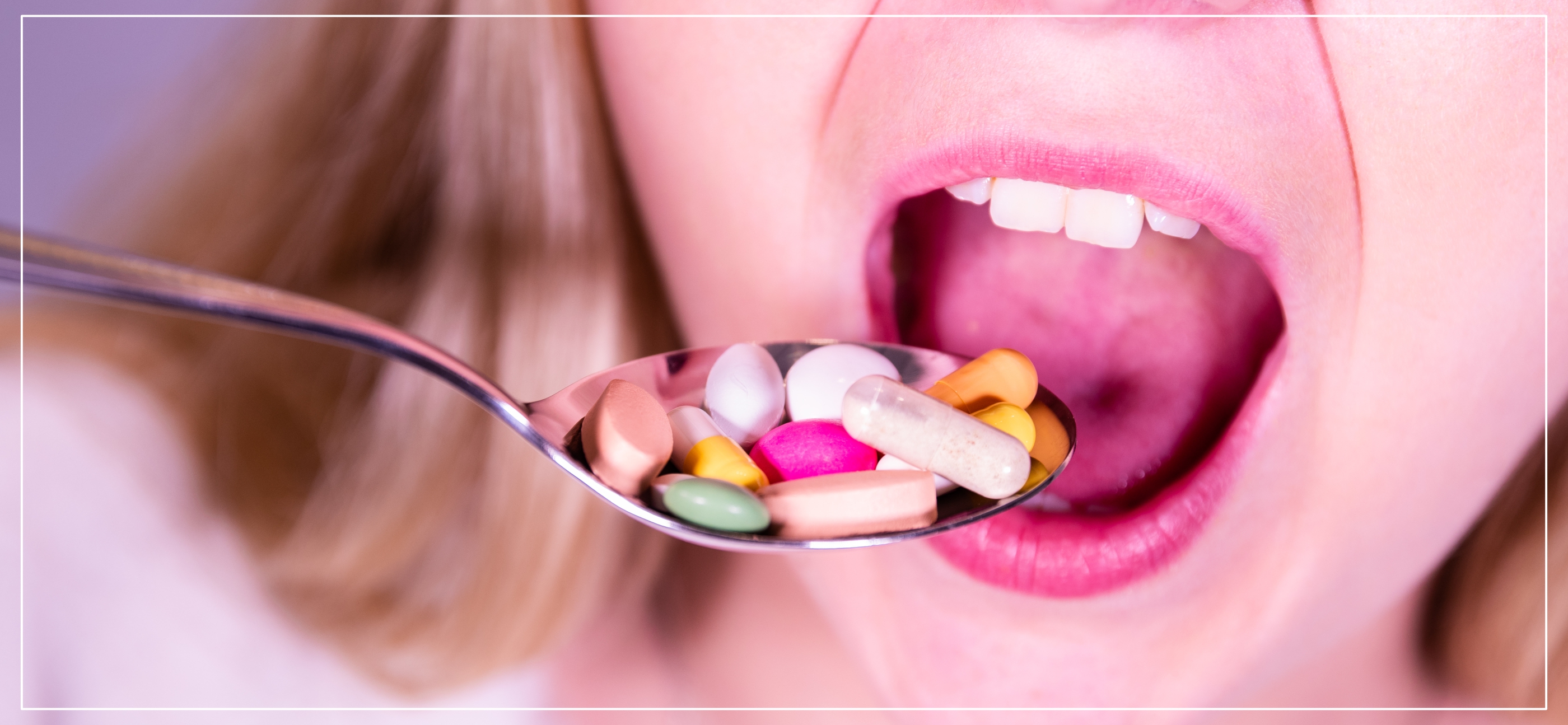
We usually pop a pill when we have a fever, or have a cold, or maybe even a headache. But is doing so right? Yes, at that time, when we are not feeling well, our main concern is to stop suffering from the ailment and get respite from it as quickly as we can. And that is precisely why we resort to taking antibiotics.
Antibiotics are important, and they successfully treat many infections caused by various bacteria. They reduce serious complications and prevent the diseases from spreading. There are particular strains of bacteria for which the antibiotic usage no longer gives results. When antibiotics no longer work against a particular strain of bacteria, then the particular strain of bacteria is said to be antibiotic-resistant. Antibiotic resistance is one of the most pressing problems plaguing the healthcare sector. At Aakash Healthcare Super Speciality Hospital, we follow the strict protocols regarding the usage of antibiotics.
The main concern of clinicians across the globe is the rising instances of overuse and misuse of taking antibiotics. According to the latest estimates, 30-40% of antibiotics are self-used, and due to self-medication, there is an increase in antibiotic resistance in the body. We either consume antibiotics in the wrong dose or at the wrong time, or even if they are administered to the wrong person. The main reason behind antibiotic resistance is that the bacteria evolve to survive drugs designed to kill them.
Here are the key reasons behind the overuse of antibiotics, followed by prevention strategies.
These steps can slow down the crisis. For any queries, you may contact the healthcare practitioners at Aakash Healthcare, who will guide you regarding the right dosage and prescription practices to follow regarding antibiotics.
 011 4338 8888


Leave a Reply
Your email address will not be published. Required fields are marked *