

 Call Us:
011 4338 8888
Call Us:
011 4338 8888

 Book an Appointment
 Locate us on Google Map
In daily life, small cuts and wounds are common, whether from kitchen tools, gardening, road injuries, or minor accidents. Most people clean the wound and forget about it. However, sometimes even a small untreated wound can lead to a serious infection called tetanus. Though it is less common today because of vaccination, tetanus can still be life-threatening if not treated on time. Public awareness about its symptoms, causes, and prevention is very important to stay protected.
Tetanus is a serious bacterial infection that affects the nervous system. It is caused by a bacterium called Clostridium tetani. This bacteria produces a toxin that affects the nerves controlling muscles, leading to painful muscle stiffness and spasms. Tetanus is sometimes known as “lockjaw” because one of the common symptoms is stiffness in the jaw muscles.
Tetanus does not spread from person to person. It develops when the bacteria enter the body through a wound or cut.
The bacteria that cause tetanus are commonly found in soil, dust, and animal waste. When a person gets a deep cut, puncture wound, burn, or injury contaminated with dirt, the bacteria can enter the body. Once inside, they release toxins that affect the nervous system.
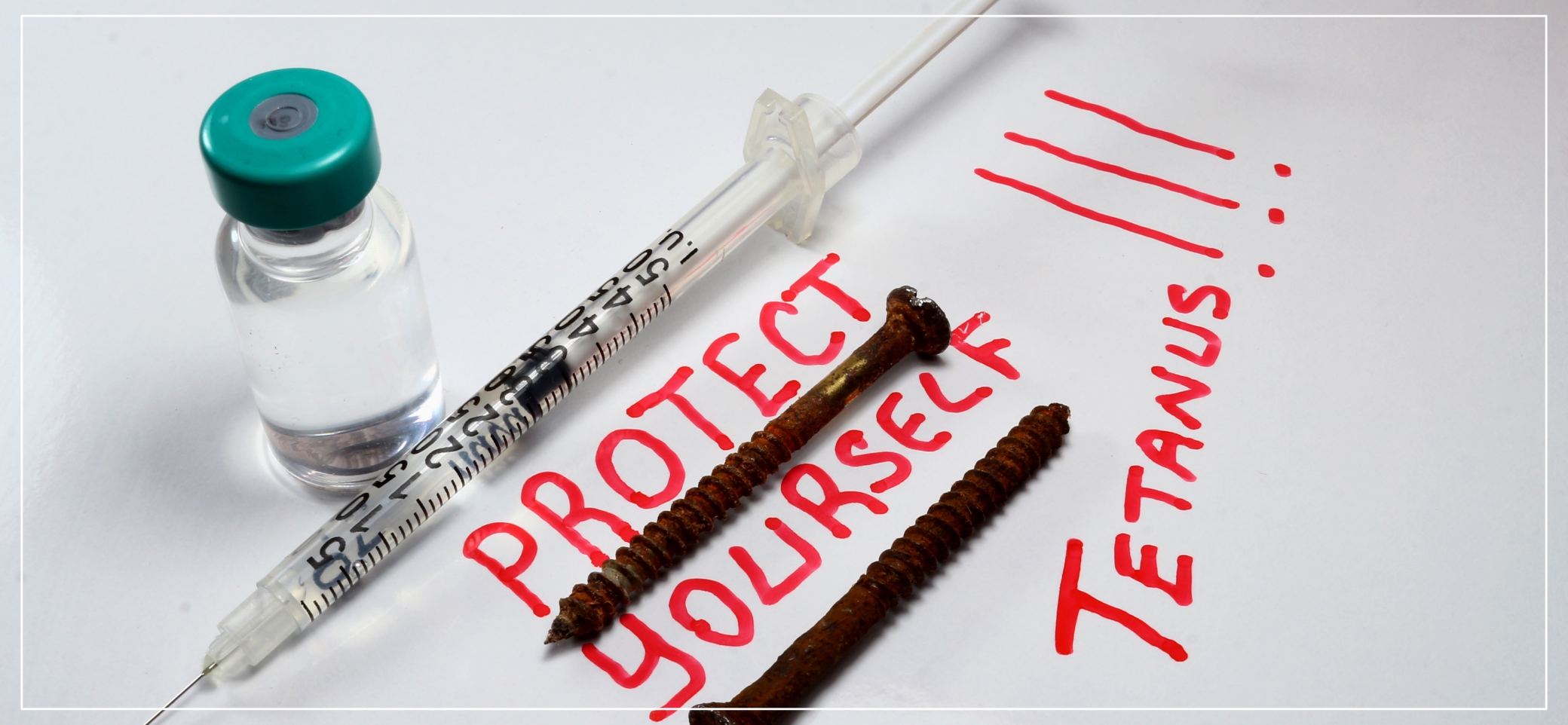
Common causes include stepping on a rusty nail, deep cuts from sharp objects, animal bites, burns or crush injuries and on using unsterile needles.
It is important to understand that rust itself does not cause tetanus. However, rusty objects are often dirty and may carry the bacteria. People who have not received tetanus vaccination or booster doses are at higher risk.
The signs and symptoms usually appear within 3 to 21 days after infection. But in some cases, they can appear earlier or later. The shorter the incubation period, the more severe the disease may be.
Common symptoms which are seen are:
1. Jaw Stiffness (Lockjaw): Difficulty in opening the mouth is often the first sign.
2. Muscle Stiffness: Stiffness in the neck, shoulders, and abdomen.
3. Painful Muscle Spasms: Severe muscle spasms triggered by minor stimuli like light, sound, or touch.
4. Difficulty Swallowing: Throat muscle involvement can make swallowing painful.
5. Fever and Sweating: Some patients may develop fever, increased heart rate, and sweating.
6. Breathing Difficulty: In severe cases, muscle spasms can affect breathing muscles, which can be life-threatening.
Tetanus is a medical emergency. Immediate medical care is necessary if symptoms appear. There is no specific lab test to confirm tetanus. Doctors usually diagnose it based on physical examination and symptoms, especially muscle stiffness and spasms. A history of recent injury and vaccination status also helps in diagnosis.
It requires hospital treatment. The main goals of treatment are to control muscle spasms, neutralize the toxin, treat the infection, and support breathing if needed.
1. Wound Cleaning: The wound is thoroughly cleaned to remove dirt and dead tissue.
2. Tetanus Immunoglobulin (TIG): This injection helps neutralize the toxin that has not yet attached to nerve tissues.
3. Antibiotics: Medications such as metronidazole are given to kill the bacteria.
4. Muscle Relaxants: Drugs are used to control painful muscle spasms.
5. Supportive Care: In severe cases, patients may need oxygen support or a ventilator if breathing is affected. Recovery may take weeks to months depending on severity.
The best way to prevent tetanus is vaccination. The tetanus vaccine is given as part of routine childhood immunization (DPT vaccine). Booster doses are recommended every 10 years for continued protection. If you have a dirty wound or injury and it's been over 5 years since your last tetanus shot, a booster dose is recommended.
Tetanus is a serious but preventable disease. Even a small wound can become dangerous if ignored. Most importantly, staying updated with tetanus vaccination and seeking timely medical care after injuries can provide strong protection. Public awareness and preventive action are the keys to staying safe from tetanus.
 011 4338 8888



Leave a Reply
Your email address will not be published. Required fields are marked *