

 Call Us:
011 4338 8888
Call Us:
011 4338 8888

 Book an Appointment
 Locate us on Google Map
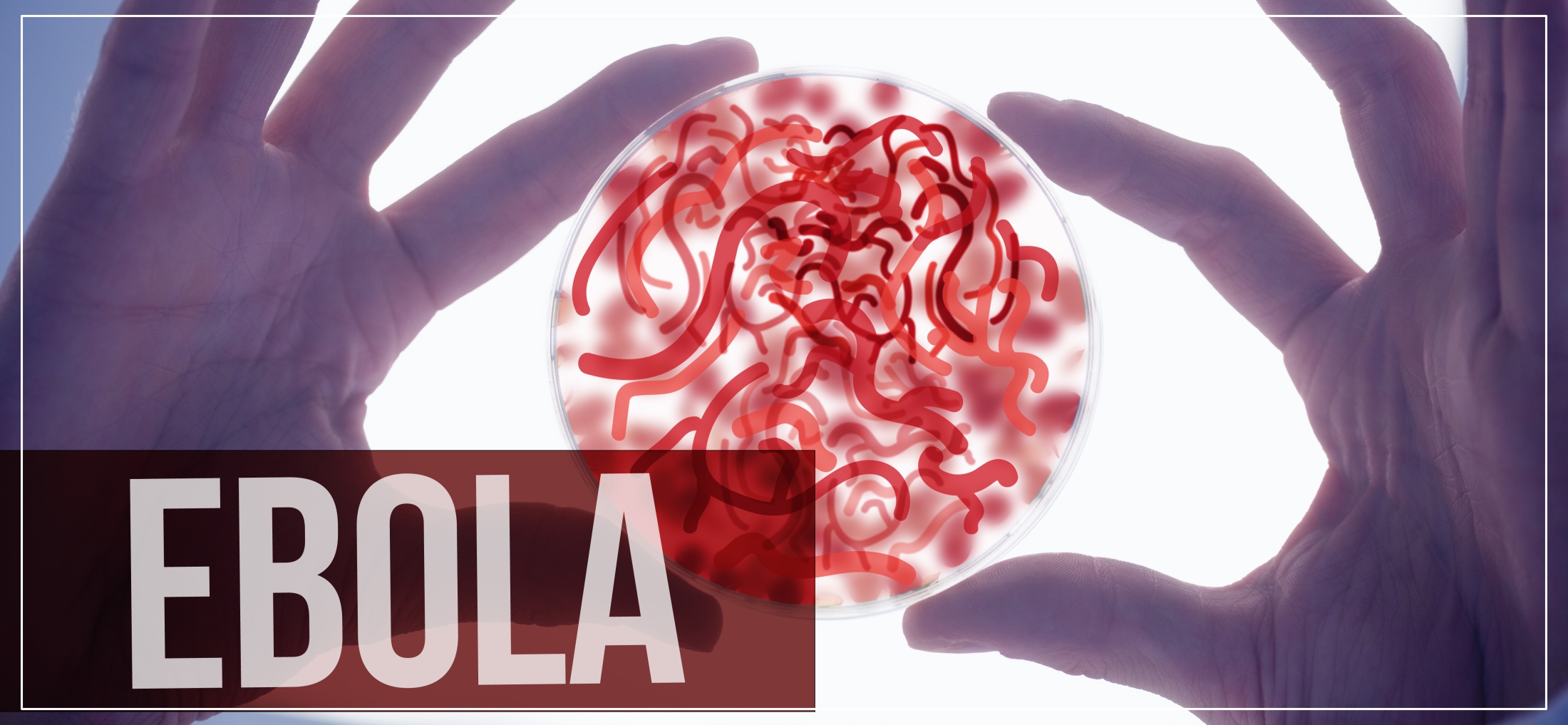
News about outbreaks of infectious diseases often creates fear and confusion among the public. One such disease that has gained global attention over the years is Ebola. Although outbreaks are relatively rare, Ebola is known for causing severe illness and has a high fatality rate if not treated promptly. Understanding what Ebola is, how it spreads, its symptoms, and ways to prevent it can help people stay informed and avoid unnecessary panic.
Ebola Virus Disease (EVD), commonly known as Ebola, is a serious and often life-threatening illness caused by the Ebola virus. The disease was first identified in 1976 near the Ebola River in what is now the Democratic Republic of the Congo, from which it gets its name.
Ebola primarily affects humans and certain animals, including monkeys, chimpanzees, and bats. The virus can cause severe damage to the body's organs and immune system, leading to serious complications if not treated early.
Ebola does not spread through the air like the common cold or flu. It spreads through direct contact with the bodily fluids of an infected person or animal.
These fluids include:
A person can become infected by:
Symptoms usually appear between 2 and 21 days after exposure to the virus. Early symptoms can resemble common illnesses, which sometimes makes diagnosis difficult.
Common symptoms include:
As the disease progresses, additional symptoms may develop:
Ebola attacks multiple organs and weakens the body's ability to fight infection. The virus can cause severe dehydration, organ failure, shock, and excessive bleeding. Without proper medical care, Ebola can become life-threatening. However, survival rates have improved significantly in recent years due to better medical treatment, supportive care, and early diagnosis.
Because Ebola symptoms are similar to those of malaria, typhoid, and other viral infections, laboratory testing is necessary to confirm the diagnosis.
Doctors may use:
Blood Tests: Specialized laboratory tests can identify the Ebola virus in blood samples.
PCR Testing: Polymerase Chain Reaction (PCR) testing helps detect viral genetic material and is one of the most accurate methods for diagnosing Ebola.
Patients suspected of having Ebola are usually isolated while testing is performed to prevent possible transmission.
There is no simple cure that completely eliminates the virus. However, modern treatment has greatly improved patient outcomes.
Treatment focuses on:
Early medical care significantly increases the chances of survival.
In recent years, specific medications and antibody therapies have also been developed to help treat Ebola infections.
Yes. Prevention plays a major role in controlling outbreaks. Important preventive measures include:
While Ebola outbreaks continue to occur occasionally, they are usually limited to specific regions, primarily in parts of Africa. International health organizations closely monitor outbreaks and rapidly implement control measures.
Modern surveillance systems, improved healthcare responses, vaccination programs, and public awareness have greatly reduced the risk of widespread transmission.
For most people, especially those who are not traveling to outbreak-affected regions, the risk of contracting Ebola remains very low.
If you have recently traveled to an area experiencing an Ebola outbreak or have been in contact with someone diagnosed with the disease and develop symptoms such as fever, weakness, vomiting, or diarrhea, seek medical attention immediately. Prompt diagnosis and treatment not only improve outcomes but also help prevent the spread of infection to others.
Ebola is a serious viral illness, but awareness and early action can save lives. Understanding how the virus spreads, recognizing its symptoms, and following preventive measures are essential for protecting yourself and your community. At Aakash Healthcare, our team of experienced specialists is committed to providing accurate medical guidance, timely diagnosis, and comprehensive care for infectious diseases.
If you have concerns about symptoms, travel-related health risks, or infection prevention, call 8800015905 and consult our experts today.
 011 4338 8888


Leave a Reply
Your email address will not be published. Required fields are marked *