Many people do not think about blood clotting until they or someone close to them experiences an unexpected health problem like swelling in the leg, sudden chest pain, excessive bleeding, or a stroke. Blood clotting is a natural process that helps stop bleeding after an injury. However, when the body forms clots too easily or cannot clot properly, it may lead to serious health complications. Blood clotting disorders can affect people of all ages and may sometimes go unnoticed until symptoms become severe.
If we know about these conditions, we can help people seek timely medical care and reduce the risk of dangerous complications.

What Is Blood Clotting?

Blood clotting is the body’s natural way of preventing excessive bleeding. When a blood vessel gets injured, platelets and proteins in the blood work together to form a clot and stop the bleeding.
Normally, the body also knows when to dissolve the clot after healing is complete. Problems occur when blood clots form unnecessarily inside blood vessels or when the blood cannot clot properly during an injury.

What Are Blood Clotting Disorders?

Blood clotting disorders are conditions that affect the body’s ability to form or control blood clots. These disorders can lead to two major problems. The first one is excessive clotting, where dangerous clots form inside blood vessels and the other is excessive bleeding, where blood does not clot properly.

Types of Blood Clotting Disorders

Disorders that causes excessive clotting are listed below. These conditions increase the risk of unwanted blood clots inside veins or arteries.

  1. Deep Vein Thrombosis (DVT): DVT occurs when a blood clot forms in a deep vein, usually in the legs. It can cause pain, swelling, redness, and warmth in the affected leg.
  2. Pulmonary Embolism: If a clot travels from the leg to the lungs, it can block blood flow and become life-threatening. Symptoms may include sudden chest pain, breathlessness, dizziness, or coughing blood.
  3. Stroke and Heart Attack: Blood clots can also block blood supply to the brain or heart, leading to stroke or heart attack.

Disorders Causing Excessive Bleeding

  1. Haemophilia: Haemophilia is a genetic condition in which the blood lacks certain clotting factors. People with hemophilia may bleed for a longer time after injuries.
  2. Von Willebrand Disease: This is another common bleeding disorder that affects the blood’s ability to clot properly.

What Causes Blood Clotting Disorders?

Blood clotting disorders may develop due to several reasons.

  1. Genetic Causes: Some clotting disorders are inherited and passed from parents to children.
  2. Lifestyle Factors: Smoking, obesity, lack of physical activity, and unhealthy eating habits can increase clotting risks.
  3. Medical Conditions: Conditions such as cancer, diabetes, high blood pressure, liver disease, and autoimmune disorders may affect clotting.
  4. Long Periods of Immobility: Sitting or lying down for long periods, such as during long flights, bed rest, or after surgery, may increase the risk of blood clots.
  5. Pregnancy and Hormonal Changes: Pregnancy, birth control pills, and hormone therapy may increase clotting tendency in some women.

Common Symptoms to Watch For

Symptoms of Excessive Clotting

  • Swelling in the leg or arm
  • Pain or tenderness
  • Redness or warmth in the skin
  • Sudden chest pain
  • Difficulty breathing
  • Sudden weakness or numbness

Symptoms of Bleeding Disorders

  • Frequent nosebleeds
  • Easy bruising
  • Heavy menstrual bleeding
  • Bleeding gums
  • Excessive bleeding after injury or surgery

How Are Blood Clotting Disorders Diagnosed?

Doctors may recommend several tests to identify clotting problems. Common investigations include blood tests, clotting factor tests, ultrasound scans, CT scans, MRI scans and genetic testing in some cases.

Treatment Options:-

Treatment depends on the type and severity of the disorder.

  1. Blood Thinners: Medications called anticoagulants help prevent harmful clots from growing or forming.
  2. Clot-Dissolving Medicine: In emergency situations, medicines may be used to dissolve dangerous clots.
  3. Compression Stockings: These may help improve blood flow and reduce swelling in the legs.
  4. Replacement Therapy: People with bleeding disorders may require clotting factor replacement therapy.
  5. Lifestyle Changes: Maintaining a healthy weight, staying active, drinking enough water, and avoiding smoking can help lower risks.

Can Blood Clotting Disorders Be Prevented?

Not all clotting disorders can be prevented, especially inherited conditions. However, certain healthy habits can reduce the risk of complications.

  • Stay physically active
  • Avoid sitting for long hours
  • Drink enough fluids
  • Follow a healthy diet
  • Control diabetes, blood pressure, and cholesterol
  • Attend regular health check-ups
  • Follow the doctor’s advice after surgery or during pregnancy

Take Home Points

Blood clotting disorders can sometimes become life-threatening if left untreated. A clot in the lungs, brain, or heart can lead to medical emergencies within minutes. Similarly, severe bleeding disorders can cause dangerous blood loss.
We have an experienced team of specialists at Aakash Healthcare, who provide advanced diagnosis, treatment, and preventive care for blood clotting disorders and vascular conditions. If you or your loved one experiences symptoms related to abnormal clotting or bleeding, visit Aakash Healthcare for the right guidance and treatment.

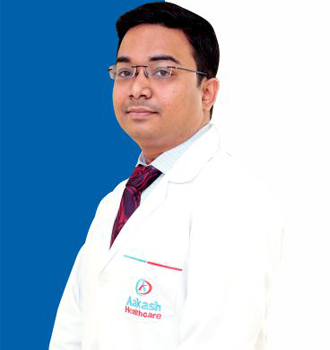
with Dr. Roshan Dikshit

×

Call Us

+91 88000 15905

"Or" We Just need a few details


Leave a Reply

Your email address will not be published. Required fields are marked *