

 Call Us:
011 4338 8888
Call Us:
011 4338 8888

 Book an Appointment
 Locate us on Google Map
After a long day at work or household chores, many people experience tired legs, mild swelling, or discomfort. Most of us ignore these signs, assuming they are normal due to age, stress, or overwork. Visible veins on the legs are often considered a cosmetic issue rather than a health concern. However, these early changes may be warning signs of varicose veins, a condition that should not be overlooked.
At Aakash Healthcare, we encourage early evaluation to prevent complications and protect long-term leg health. In this blog, we have tried to explain you about the early signs of varicose veins.
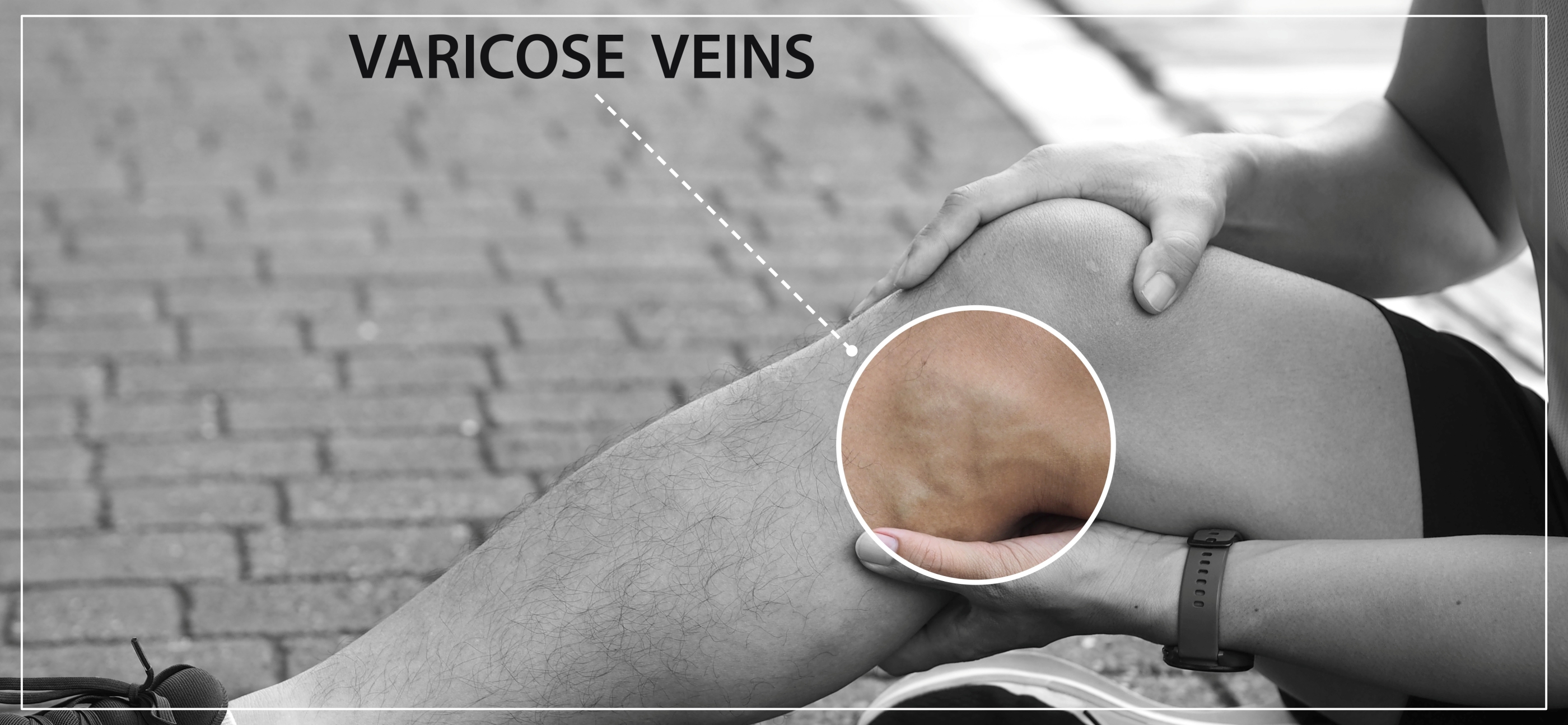
Varicose veins are enlarged, twisted veins that usually appear on the legs and feet. They develop when the valves inside the veins become weak or damaged. These valves help blood flow back to the heart. When they stop working properly, blood collects in the veins, causing swelling and vein enlargement. Over a period of time, this leads to visible veins and discomfort.
Varicose veins are more common in people with a family history of vein problems, those who are overweight, pregnant women, and individuals who stand or sit for long periods. Aging also increases risk, as veins lose strength over time.
Why Early Treatment Matters
If we ignore varicose veins, it can lead to complications such as skin ulcers, infections, blood clots, and severe pain. Early diagnosis allows simple treatments and lifestyle changes to prevent progression. Walking regularly, maintaining a healthy weight, elevating the legs, and avoiding long periods of inactivity can help.
If you notice persistent leg pain, swelling, visible veins, or skin changes, you should visit Aakash Healthcare Super Speciality Hospital and consult our Interventional Radiologists for the proper guidance and treatment. Modern treatments are safe, effective, and minimally invasive. Early care can improve comfort, appearance, and overall quality of life.
 011 4338 8888


Leave a Reply
Your email address will not be published. Required fields are marked *