

 Call Us:
011 4338 8888
Call Us:
011 4338 8888

 Book an Appointment
 Locate us on Google Map
Are you excited for Navratri? This year, Shardiya Navratri will be observed from 11 October to 20 October 2026. Have you been preparing for months, buying your Garba outfits and Dandiya sticks, booking Garba tickets, and learning new Garba steps? But what about the most important part—fasting?
The nine days of fasting during Navratri offer not only spiritual benefits but also health advantages. It helps you reset your body and achieve weight loss goals. These nine days are filled with devotion, dedicated to Maa Durga, along with strict dietary rules. Navratri fasting aids in cleansing your body, improving digestion, and making you feel refreshed and energetic.
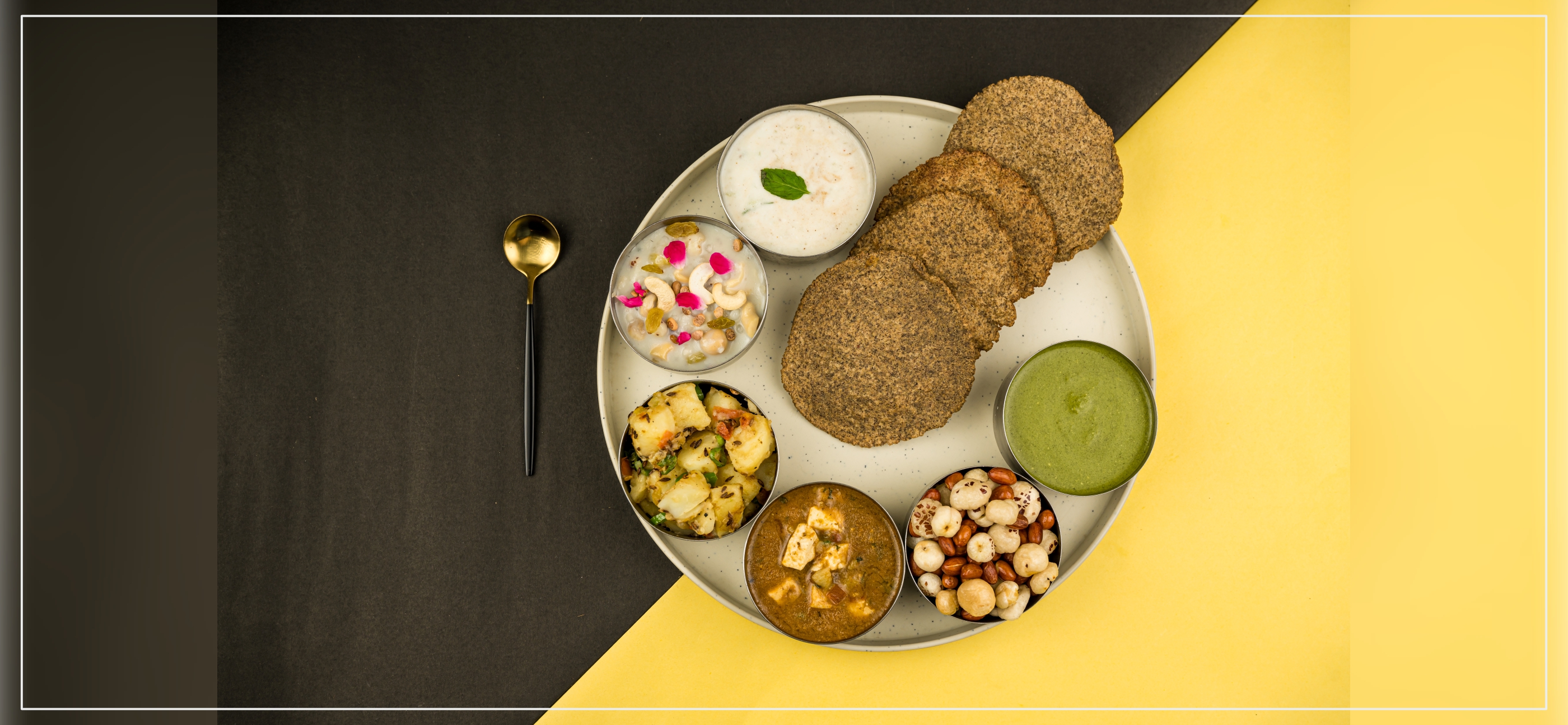
During fasting, devotees follow various traditional practices. For some, fasting means consuming only water; others eat just once a day, while many adhere to a phalahar diet that includes fruits, milk, nuts, makhana, sabudana, or kuttu. Regardless of your fasting routine, changes in your usual eating and drinking habits can sometimes leave you feeling tired, dehydrated, or uncomfortable.
With a few simple Navratri fasting health tips, you can maintain your energy levels, stay hydrated, and make fasting easier on your digestive system.
When you fast, you alter your normal eating routine. You may consume fewer calories, reduce your meal size, or exclude some common foods. This can lead to tiredness or low energy if your meals are not well planned.
Another common issue is meeting the body's need for regular meals by consuming foods rich in refined carbohydrates, sugar, or oil. For instance, if you eat fried potatoes, sabudana vada, or sweets all day, it may count as a fasting diet, but it is not entirely healthy. Your body still requires water, carbohydrates, protein, healthy fats, vitamins, and minerals during fasting.
Fasting should be practised according to your tradition, but with the right food choices.
The foods permitted during Navratri fasting depend on family traditions. Here are some common options:
Fasting foods aren't necessarily healthy foods. Preparation matters too.
Try to limit:
You do not have to completely remove your favourite Navratri foods. Instead, focus on portion size and cooking methods.
A little roasting, boiling, steaming or limited oil can make a big difference.
One of the most important Navratri fasting health tips is to stay hydrated.
If your fasting practice allows water and other fluids, do not wait until you feel thirsty to drink. Keep sipping fluids throughout the day.
You can include:
Some people feel a burning sensation in the chest or upper belly, have sour burps or feel uncomfortable when fasting. There are various causes of these symptoms, and if you have symptoms that are persistent or severe, discuss this with your health care professional.
To help reduce fasting acidity:
Avoid taking over-the-counter medicines for acidity regularly without consulting a doctor or pharmacist, particularly when you are taking other medications or have a medical condition.
Some individuals need to take extra precautions or avoid fasting altogether. This includes people with diabetes, kidney disease, heart disease, or a history of eating disorders, as well as pregnant or breastfeeding women. Fasting can be risky if you take medications that must be timed with meals, which is especially important for managing diabetes.
Avoid skipping, postponing, or altering medications without a doctor's guidance. Consult a doctor to determine if fasting is safe for you and how you can safely take meals, fluids, and medicines. A true fast should consider your health needs and religious practices.
If you have concerns about fasting during Navratri, contact Aakash Healthcare at 8800015905 for guidance.
Before Navratri begins, think about your schedule, the foods you will eat and how you will stay hydrated. Have appropriate snacks on hand, don't overdo it and listen to your body. These Navratri fasting health tips are general guidance; individual needs differ, and a healthcare professional can advise you if you have symptoms or a medical condition.
With thoughtful planning, many people can observe their traditions while taking care of their well-being. Make hydration, balanced food choices and rest part of your healthy fasting routine. If discomfort persists or you feel unwell, prioritise your health and seek medical advice.
 011 4338 8888



Leave a Reply
Your email address will not be published. Required fields are marked *