

 Call Us:
011 4338 8888

 Book an Appointment
 Locate us on Google Map
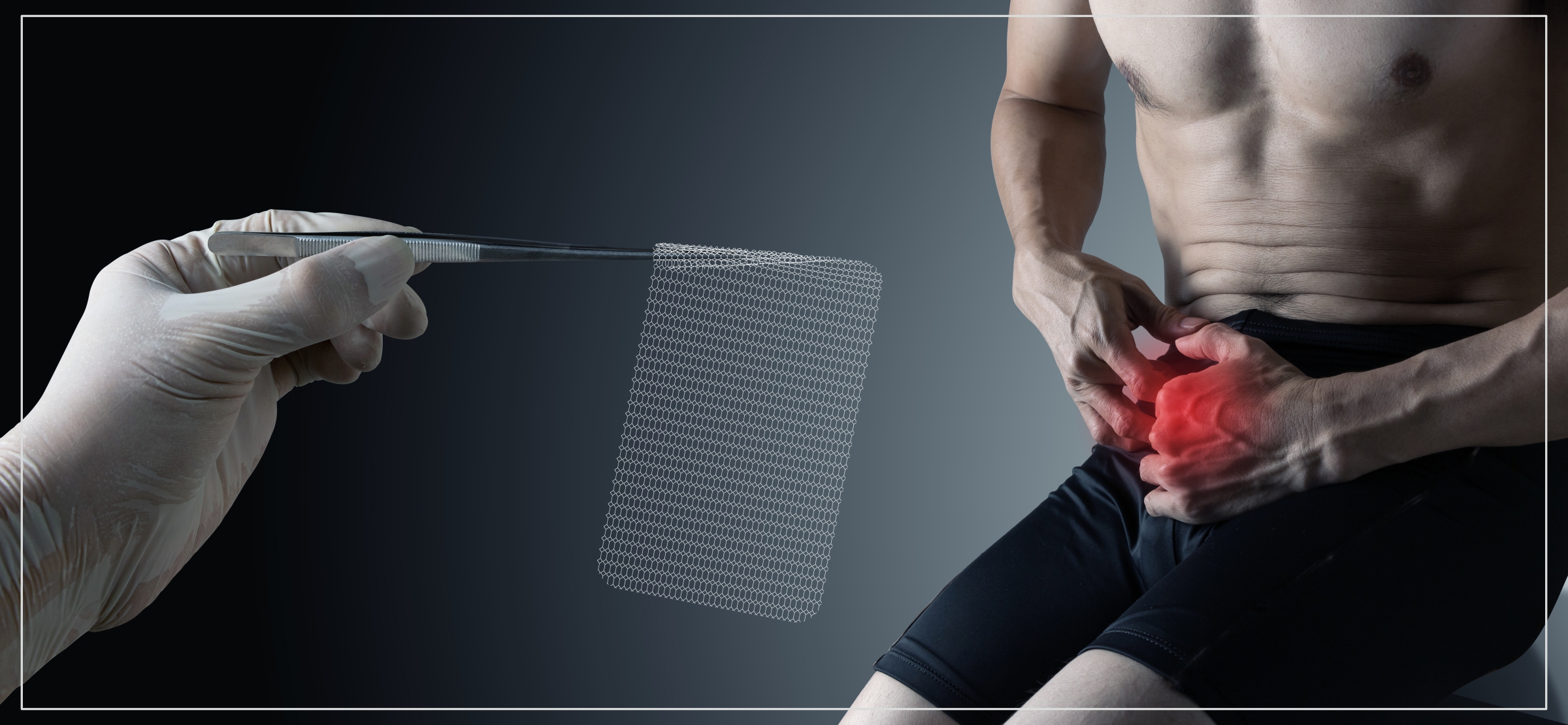
A hernia is when a part of your internal organs or tissue pushes through the weak area of the muscles or connective tissue which should keep them in place. There are many areas of your body that can be affected by a hernia but they are most common in the abdominal or groin. It is important to understand what the symptoms of a hernia are and when surgery will be needed.
A hernia occurs when part of a body such as the intestine pushes through a weakness in the muscles or tissues. This can create a visible bulge which can cause pain and discomfort. Some people will have hernias present from birth while others can occur over time due to increased pressures in the abdominal cavity.
The primary symptom of a hernia is a visible bulge in the affected area. Other symptoms may include:
It's important to note that some hernias may not cause noticeable symptoms, making regular check-ups essential for early detection.
Hernias can result from a combination of muscle weakness and strain. Factors that may contribute include:
While some hernias may not require immediate surgery, certain situations necessitate prompt medical attention:
It's essential to consult with a healthcare professional to determine the appropriate course of action based on individual circumstances.
A hernia happens when tissue pushes through a weak spot in the muscle or connective tissue that normally holds it in place. Many people notice a bulge in the groin or abdomen. It may become more visible when standing, coughing, lifting, or straining, and may flatten when lying down.
Other symptoms can include:
Some hernias cause no pain at all. Others can be uncomfortable enough to interfere with everyday activities. A bulge or new discomfort is worth discussing with a healthcare professional, even if it seems minor.
Yes, not every hernia requires immediate surgery. In some cases, particularly certain small groin hernias that cause little or no discomfort, a doctor may recommend watchful waiting instead of immediate surgical repair.
Watchful waiting involves regular monitoring of the hernia and keeping track of any changes in its size or symptoms. It does not mean ignoring the condition or avoiding medical follow-ups.
Surgery may become necessary if:
However, watchful waiting is not suitable for every type of hernia or every patient. The decision depends on the location of the hernia, its symptoms and the person's overall health. A surgeon can help determine whether monitoring or surgical repair is the more appropriate option.
Get emergency medical help if a hernia becomes suddenly very painful, firm, swollen, or discoloured, or if the bulge can no longer be pushed back in. Nausea, vomiting, fever, or difficulty passing stool or gas alongside a hernia can also signal a serious problem.
These symptoms may mean the tissue is trapped or its blood supply is compromised. Don’t wait for a routine appointment if they appear.
A clinician will usually ask about your symptoms and examine the area. Sometimes imaging is needed to confirm the diagnosis or understand the hernia more clearly. If surgery is recommended, ask about the benefits, risks, recovery time, and what may happen if you wait. The details vary by hernia type and individual health.
The reassuring takeaway: a hernia doesn’t automatically mean surgery, but it does deserve a proper assessment. If you’ve noticed a new bulge or a change in symptoms, arrange a medical appointment—and seek urgent care for sudden, severe warning signs.
Take care of yourself, and don’t hesitate to ask questions. A clear conversation with your healthcare team is a good first step.
Myth 1: A hernia always causes pain.
Fact: Not every hernia is painful. Some people only notice a small bulge in the abdomen or groin, while others may experience pressure, heaviness or discomfort during physical activity.
Myth 2: A hernia can heal on its own.
Fact: Most hernias in adults do not close or heal on their own. Although symptoms may remain mild, the weakness in the muscle or tissue usually persists and needs medical assessment.
Myth 3: Only men can develop a hernia.
Fact: Hernias can affect both men and women. Inguinal hernias are more common in men, while femoral hernias are relatively more common in women.
Myth 4: Every hernia requires immediate surgery.
Fact: Not every hernia needs immediate surgery. Depending on its type, size and symptoms, a doctor may recommend watchful waiting with regular monitoring in selected cases.
Myth 5: Lifting heavy weights is the only cause of a hernia.
Fact: Heavy lifting can contribute to hernia development, but it is not the only cause. Muscle weakness, ageing, previous abdominal surgery, chronic coughing and repeated straining may also increase the risk.
Myth 6: Wearing a hernia belt can cure the condition.
Fact: A hernia belt or support garment may provide temporary support in selected cases, but it cannot repair the weakened muscle or close the opening. It should only be used after medical advice.
Myth 7: Hernia surgery guarantees that the problem will never return.
Fact: Hernia repair is an effective treatment, but recurrence is possible. The chances depend on factors such as the type of hernia, surgical technique, overall health and recovery after surgery. Following your surgeon's instructions is important.
Q 1: When does a hernia need surgery?
Ans: A hernia may need planned surgery if it is painful, growing, affecting daily activities, or becoming difficult to push back in. Some hernias can be monitored instead, depending on the type, symptoms, and a clinician’s assessment. Seek emergency care for sudden severe pain, vomiting, or a bulge that becomes firm, discolored, or cannot be pushed back in.
Q 2: Can a hernia go away on its own?
Ans: In adults, a hernia generally does not close or heal on its own. Symptoms may stay mild or change over time, but a healthcare professional should assess a new or changing bulge. In some cases, monitoring may be an option; it is not the same as the hernia healing.
Q 3: How do I know if my hernia is serious?
Ans: A hernia needs urgent assessment if the bulge becomes suddenly very painful, tender, firm, swollen, or discolored, or if it cannot be pushed back in. Nausea, vomiting, fever, or difficulty passing stool or gas can also be warning signs. Call emergency services or go to an emergency department if these symptoms occur.
Q 4: Can I have a hernia without a visible lump?
Ans: Yes. Some hernias cause discomfort, pressure, or aching without an obvious bulge, particularly early on or depending on the hernia’s location. A clinician can examine you and decide whether imaging or other tests are needed.
Q 5: What does a hernia feel like?
Ans: A hernia may feel like a bulge, pressure, heaviness, burning, or aching in the abdomen or groin. Discomfort may increase when coughing, lifting, bending, or straining and ease when lying down. Symptoms vary, and some hernias cause no pain.
Q 6: Is it safe to exercise with a hernia?
Ans: It depends on the hernia and your symptoms. Gentle activity may be appropriate for some people, but exercise that causes pain or involves heavy straining may worsen discomfort. Ask your healthcare professional which activities are safe for you, and stop if symptoms increase.
Q 7: Can coughing or lifting cause a hernia?
Ans: Repeated pressure from coughing, straining, or heavy lifting may contribute to a hernia, especially when an area of muscle or connective tissue is weak. These activities are not the only causes; age, previous surgery, pregnancy, and other factors may also play a role.
Q 8: Do all hernias require surgery?
Ans: No. Some hernias—particularly certain hernias with few or no symptoms—may be monitored under medical guidance. Others may be more likely to need repair because of pain, growth, activity limitations, or concern about complications. The decision should be made with a healthcare professional based on the individual case.
Q 9: What happens if I delay hernia surgery?
Ans: The outcome of waiting varies. Some hernias remain manageable for a time, while others may enlarge or become more uncomfortable. Rarely, tissue can become trapped or lose its blood supply, which is an emergency. Ask your clinician about the risks and benefits of waiting for your specific hernia.
Q 10: How is a hernia diagnosed?
Ans: A clinician usually asks about your symptoms and examines the affected area, sometimes while you stand, cough, or strain. If the diagnosis is unclear, they may recommend imaging such as an ultrasound or another scan.
Q 11: What are the treatment options for a hernia?
Ans: Treatment may involve monitoring or surgical repair, depending on the hernia type, symptoms, and personal health factors. Surgery may be performed using an open or minimally invasive approach. A clinician can explain which options may suit you, along with the possible benefits, risks, and recovery expectations.
Q: 12 How long does it take to recover from hernia surgery?
Ans: Recovery varies according to the hernia, the procedure, your health, and your work or activity demands. Your surgical team will provide personalized instructions about returning to work, exercise, lifting, and daily activities. Follow those instructions rather than relying on a single standard recovery timeline.
Q: 13 Can a hernia come back after surgery?
Ans: A hernia can recur after repair, although the likelihood varies with the hernia, repair method, and individual factors. Ask your surgeon about recurrence risk and how to care for the repair during recovery.
Q: 14 When should I see a doctor about a hernia?
Ans: Arrange a medical appointment if you notice a new bulge, ongoing groin or abdominal discomfort, or a change in a known hernia. Seek emergency care for sudden severe pain, vomiting, a discolored or firm bulge, or a bulge that cannot be pushed back in.
Understanding the nature of hernias, recognizing their symptoms, and knowing when surgical intervention is necessary are vital steps in managing this condition. If you suspect you have a hernia or are experiencing related symptoms, consult with a healthcare professional to determine the best course of action tailored to your needs.
 011 4338 8888



Leave a Reply
Your email address will not be published. Required fields are marked *