

 Call Us:
011 4338 8888
Call Us:
011 4338 8888

 Book an Appointment
 Locate us on Google Map
Many people believe that bone problems only affect older adults. However, what most people do not realize is that bone strength can slowly start declining after the age of 30. Because this process happens silently, people often ignore the early warning signs until they experience joint pain, weakness, fractures, or difficulty in movement. In today’s fast-paced lifestyle, poor eating habits, lack of exercise, stress, and long sitting hours are making bone health a growing concern even among younger adults.
Bones are living tissues that constantly rebuild themselves. During childhood and early adulthood, the body builds strong and dense bones. Most people reach their peak bone strength around the age of 30. After that, the body slowly begins to lose bone mass faster than it can rebuild it.
Healthy bones are important because of the below reasons:
Several factors contribute to bone loss after the age of 30. Some of the most common reasons include:
Bone weakening often develops silently, but some symptoms may appear gradually. These signs should never be ignored:
Anyone can experience bone loss but some of the people are more vulnerable, including:
Healthy lifestyle habits can help protect your bones and slow down bone loss.
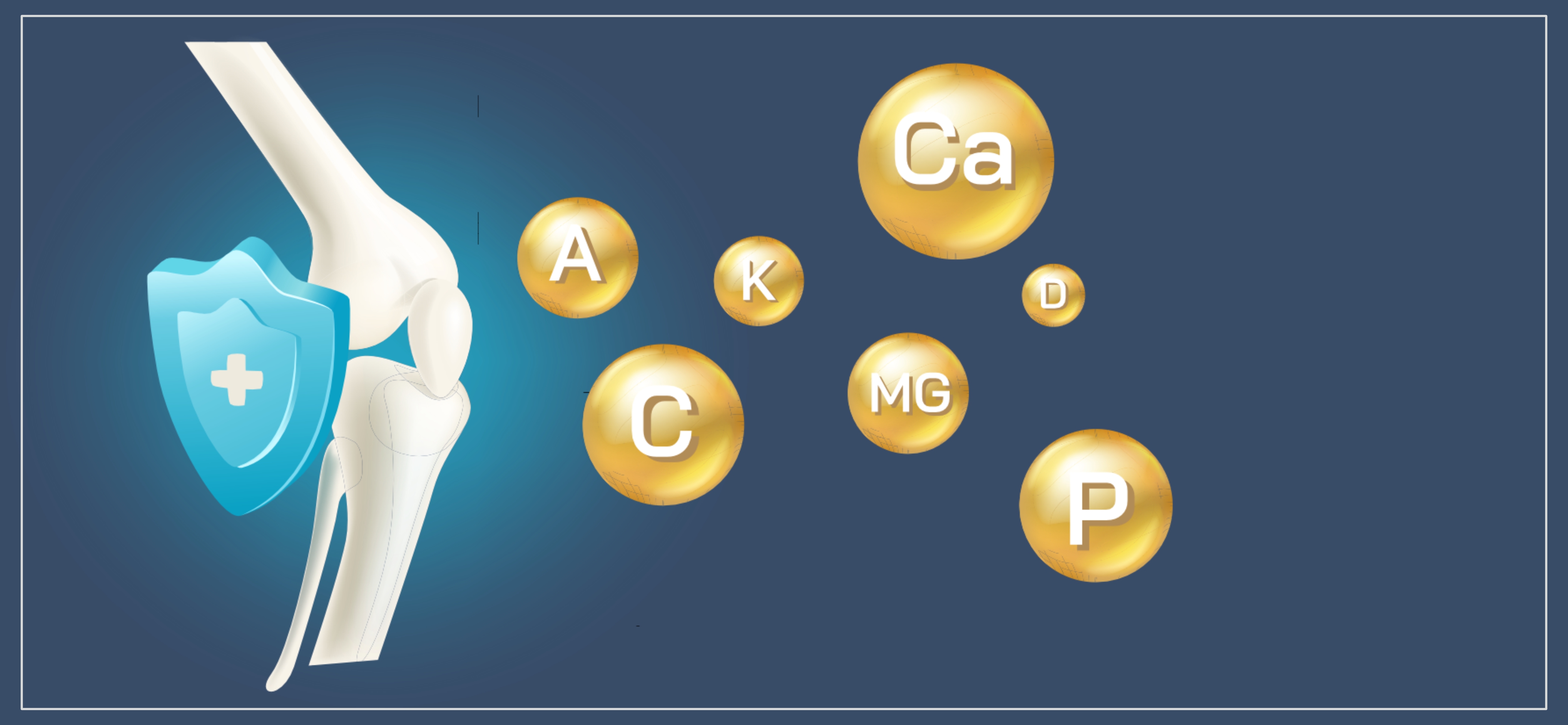
1. Eat Bone-Friendly Foods
2. Stay Physically Active: Regular exercise helps improve bone density and muscle strength. Walking, jogging, yoga, stretching, and light weight training are beneficial for bone health.
3. Maintain Healthy Body Weight: Being underweight or overweight can put extra stress on bones and joints.
4. Stop Smoking and Limit Alcohol: Cessation of smoking and alcohol intake can significantly improve bone health.
5. Get Regular Health Check-Ups: Bone density tests and health screenings can help detect problems early and prevent complications.
Women are more prone to bone loss because of hormonal changes during pregnancy, breastfeeding, and menopause. Many women ignore their nutrition while taking care of their families and careers. This can lead to calcium deficiency and weak bones later in life.
Women should focus on calcium-rich diet, regular exercise, timely health check-ups and maintaining hormonal balance.
Bone damage cannot always be reversed completely once it becomes severe. Prevention is the best way to maintain strong bones and active mobility throughout life. Healthy habits started in your 30s can protect your body in later years and reduce the chances of fractures, joint problems, and chronic pain.
Strong bones are not just important for older adults; they are essential for every stage of life.
Your bones support you every single day, and they deserve proper care before problems begin. If you are experiencing joint pain, weakness, stiffness, or have concerns about your bone health, do not ignore the signs. Early diagnosis and timely care can help prevent serious complications in the future.
Our experienced doctors at Aakash Healthcare Super Speciality Hospital, Dwarka, provide comprehensive bone and joint care with advanced diagnostics and personalized treatment plans to help you stay active, healthy and pain-free.
 011 4338 8888



Leave a Reply
Your email address will not be published. Required fields are marked *