

 Call Us:
011 4338 8888
Call Us:
011 4338 8888

 Book an Appointment
 Locate us on Google Map
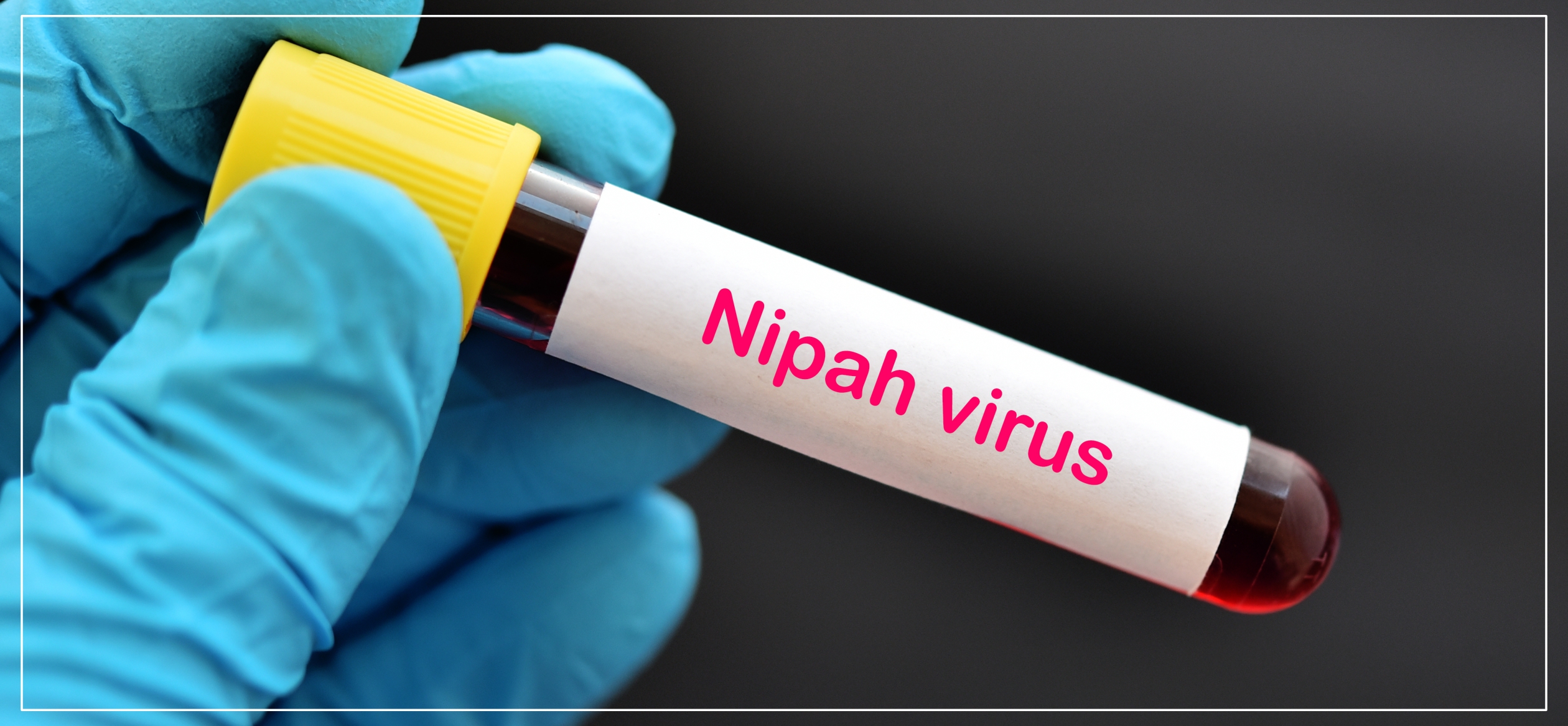
In recent years, outbreaks of viral infections have raised serious concerns about public health. Even as the world continues to deal with the long-term impact of Covid-19, emerging infections like the Nipah virus remind us that infectious diseases remain a serious threat. Nipah virus has caused several outbreaks in parts of South and Southeast Asia and though rare, can be life-threatening.
At Aakash Healthcare, we believe public awareness, early recognition and timely preventive measures are key to controlling such infections and protecting our communities.
Nipah virus infection is a zoonotic disease which spreads from animals to humans. The virus was first identified in 1999 during an outbreak in Malaysia. Fruit bats, also known as flying foxes, are the natural carriers of the Nipah virus. These bats do not usually fall sick but can transmit the virus to humans and animals.
Humans can get infected either directly from animals, through contaminated food or by close contact with an infected person.
Nipah virus infection can cause a wide range of symptoms, from mild illness to severe and fatal disease. The symptoms usually appear within 4 to 14 days after exposure. The early symptoms may look like common flu, which makes early diagnosis difficult. These include fever, headache, muscle pain, sore throat and vomiting.
As the infection progresses, it can affect the brain and lungs, leading to serious complications such as difficulty in breathing, confusion or disorientation, drowsiness or altered consciousness, seizures and encephalitis (inflammation of the brain). In severe cases, Nipah virus infection can lead to coma and death. The mortality rate is high compared to many other viral infections.
Diagnosis is done using laboratory tests on blood, throat swabs, urine, or cerebrospinal fluid. Because of its seriousness, testing is done in specialized laboratories. Early diagnosis plays a key role in preventing spread and improving patient outcomes.
Prevention is the most effective way to control Nipah virus infection. Simple public health measures can significantly reduce risk.
Nipah virus infection is a serious but preventable disease. Public awareness plays a crucial role in preventing Nipah virus outbreaks. A we know there is no specific treatment for it, early medical care and strict infection control can reduce complications and prevent outbreaks. Staying informed, practicing hygiene and avoiding risky exposures are key steps the public can take to protect themselves and their communities.
If you have any query regarding this virus, you can consult our Internal Medicine experts at Aakash Healthcare Super Speciality Hospital, Dwarka.
 011 4338 8888



Leave a Reply
Your email address will not be published. Required fields are marked *