

 Call Us:
011 4338 8888
Call Us:
011 4338 8888

 Book an Appointment
 Locate us on Google Map
Cancer treatment has improved greatly over the years. One of the most advanced methods available today for treatment of certain abdominal cancers is HIPEC surgery. HIPEC stands for Hyperthermic Intraperitoneal Chemotherapy. It is a special type of treatment where doctors remove visible cancer from the abdomen and then wash the inside of the belly with warm chemotherapy. This powerful combination helps destroy any remaining cancer cells that the eyes cannot see.
For patients and families, the word “HIPEC” can sound terrifying. A proper understanding of the process step-by-step can reduce fear and build confidence. In this blog, we have tried to explain a patient’s journey through HIPEC surgery.
1. Before the Surgery - Tests and Preparation
Before HIPEC is planned, doctors do several tests to make sure the patient is fit for surgery. These may include:
The surgeon explains what will happen, how long it may take, and what recovery will look like. Patients may be asked to stop certain medicines and follow a special diet a day before the surgery. Clear communication at this stage helps the patient feel prepared and supported.
2. The Main Surgery - Cytoreductive Surgery
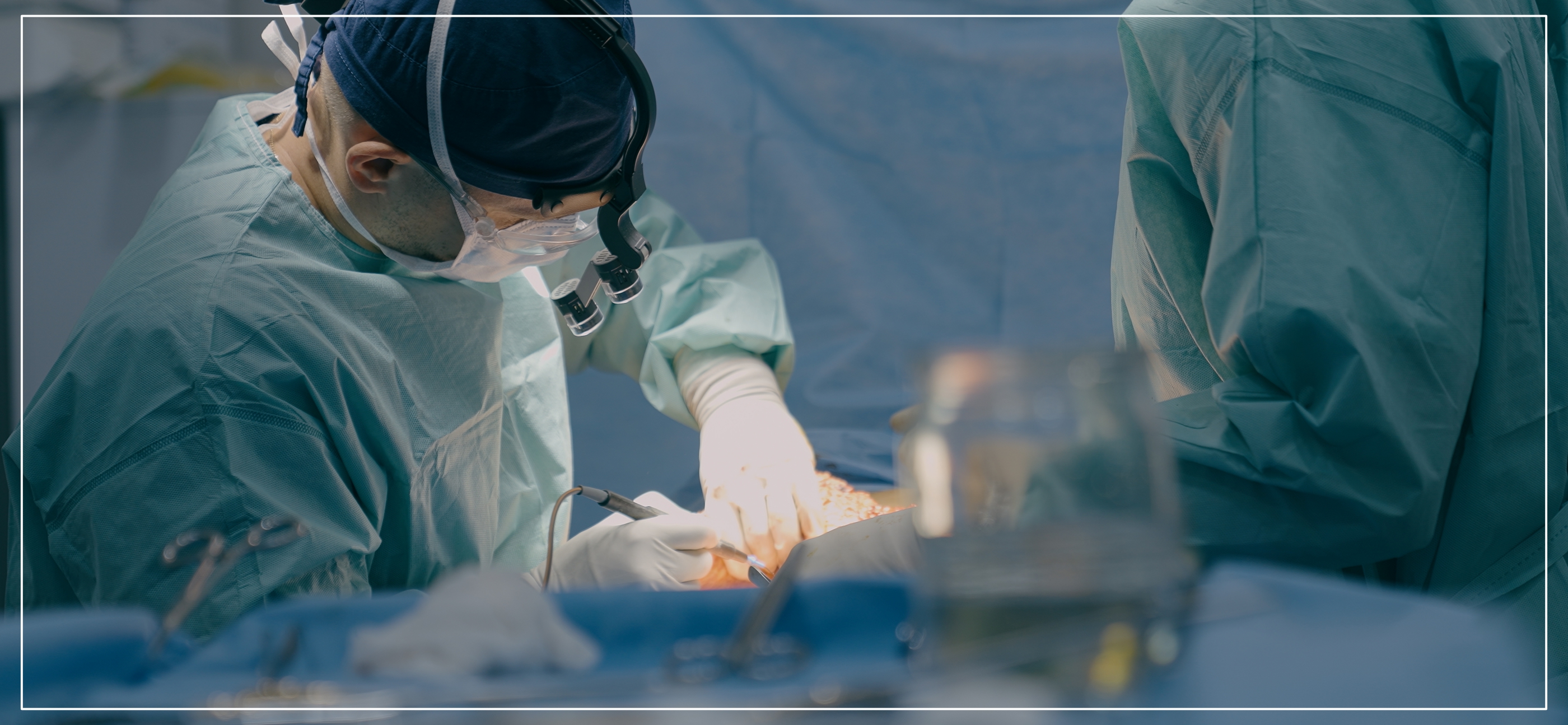
HIPEC surgery is not done alone, it is combined with a major surgery called cytoreduction. During this operation, the surgeon removes all visible tumors from the abdomen. Sometimes parts of organs like the intestine, omentum, or peritoneum may need to be removed if cancer is stuck there. It is done to clear as much cancer as possible before delivering HIPEC.
This part can take several hours, depending on how widespread the cancer is. It is a detailed, careful procedure done by highly trained specialists.
3. The HIPEC Treatment - Warm Chemotherapy Bath
After the tumor removal, the doctor begins the HIPEC step. A warm chemotherapy solution, which is heated to around 41 to 43°C, is circulated inside the patient’s abdomen. This “chemo bath” lasts for about 60 to 90 minutes. The warmth helps the medicine work better and reach small, hidden cancer cells. Because the chemo stays inside the abdomen, the rest of the body is less exposed to side effects.
4. After the Procedure - Recovery in ICU
Once the surgery and HIPEC are finished, the patient is shifted to the ICU (Intensive Care Unit), where the medical team closely monitors the heart, breathing, and fluid balance. Pain is managed with medicines. The patient may have tubes for feeding or draining fluids temporarily.
Staying in the ICU for 1 to 2 days is normal after HIPEC. The main aim of keeping the patient in the ICU is to stabilize the patient’s body after the long surgery.
5. Hospital Recovery - Step-by-Step Healing
After being stable, the patient moves to a regular hospital room. Recovery here includes:
Most patients stay in the hospital for 7 to 14 days, depending on their healing speed and overall health.
6. Going Home - The Next Chapter in Recovery
Going home after HIPEC is a big milestone. At home, patients need to eat nutritious meals, drink enough water, take medicines as prescribed and avoid heavy work for a few weeks. They must report any fever, pain, or unusual symptoms to their doctor and attend regular follow-up visits. With time, strength returns, and patients begin to feel like themselves again.
7. Emotional Support Matters
HIPEC is a major treatment, and emotional health is just as important as physical healing. Support from family, counselling, and patient groups can help reduce anxiety and build confidence during recovery.
At present, HIPEC has emerged as a powerful treatment option for many abdominal cancers. Although it is a complex procedure, understanding its step-by-step path helps patients stay informed and hopeful. With expert care, proper follow-up, and strong patient support, HIPEC offers a meaningful chance at long-term recovery and improved quality of life. If you have more query related to HIPEC, you can visit our Oncology Department at Aakash Healthcare for the best guidance and treatment.
 011 4338 8888



Leave a Reply
Your email address will not be published. Required fields are marked *