

 Call Us:
011 4338 8888

 Book an Appointment
 Locate us on Google Map
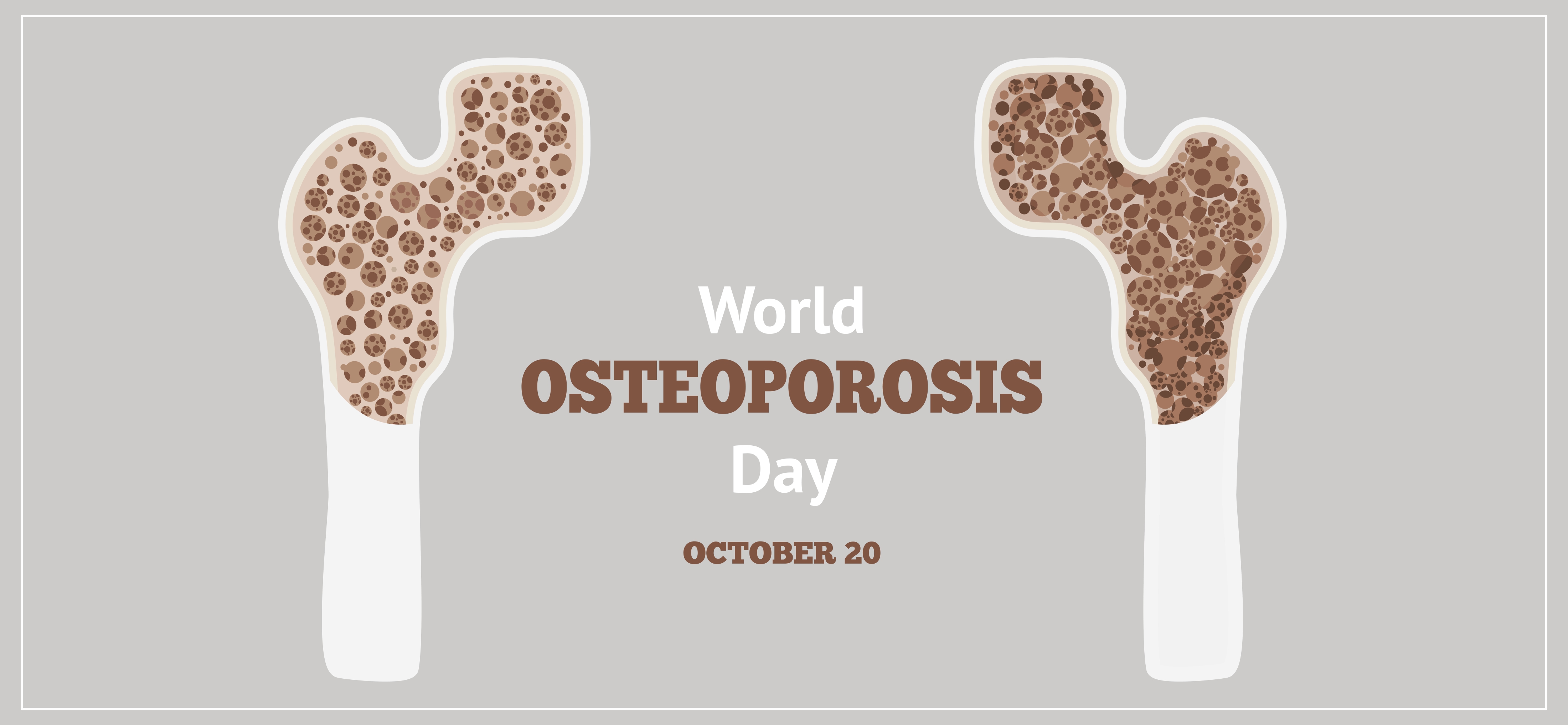
World Osteoporosis Day is observed annually on 20 October. The day raises awareness about osteoporosis – the condition that weakens the bones and increases the risk of breaking. It can develop silently without showing any symptoms and may only be noticed when a fracture occurs. In India, age, menopause, low body weight, certain health conditions, and long-term use of some medicines are the main reasons for this condition.
A bone density test helps evaluate the strength of bones and for deciding when to prevent or treat them. But this test is not for everyone. A doctor can recommend an Osteoporosis screening if you have certain risk factors and a health history.
Bone is living tissue that is continually regrowing. Osteoporosis is a condition in which your bones become thinner and lose strength. It can happen to anyone, although the risk generally increases with age. Fractures are often in the hip, spine or wrist and can affect ability to walk and live independently.
Sometimes a fracture, after a minor fall or even a simple movement, is the first sign of osteoporosis. This is why it's important to identify those who are at a higher risk for fractures before that happens.
A bone density test measures the amount of mineral in certain bones, usually in the hip and spine. The most commonly used technique is dual-energy X-ray absorptiometry, often referred to as a 'DEXA scan'. It is a fast, low-dose X-ray procedure and is painless.
The results help the doctor determine bone density and fracture risk. A DEXA scan is different from a regular X-ray; a standard X-ray can show a fracture, while a bone density scan can detect low bone density before a fracture occurs. Your doctor will use the results alongside your age, medical history, medications, and other risk factors.
Not everyone needs a bone density test at the same age. This mainly depends on age, medical history, and previous fractures.
Many people do not realise they have osteoporosis until a broken bone affects their daily life. Older adults, people who do not get much sunlight, and those with diets low in calcium or vitamin D need to pay closer attention to their bone health. However, diet and sunlight alone cannot determine if you have osteoporosis.
A doctor may ask about your previous fractures, family history, smoking, alcohol use, physical activity, nutrition, and medicines. Based on your condition, they may recommend a DEXA scan, blood tests, or other tests. The goal of osteoporosis screening is to spot risks and create a helpful plan, not just to give you a diagnosis based on a scan.
While you cannot completely stop bone loss as you get older, simple everyday habits can help keep your bones strong:
These healthy habits support bone health, but they do not replace medical advice or treatments if you have osteoporosis.
Strong bones help us stay active and independent as we get older. However, osteoporosis can weaken your bones without any warning signs, so it is important to pay attention to your bone health.
This World Osteoporosis Day, take a moment to think about your bones. If you are at risk, have broken a bone easily, or have a medical issue that affects your bones, talk to your doctor to see if a bone density test is right for you.
Visit Aakash Healthcare for screening. Call 8800015905 to enquire or book an appointment.
 011 4338 8888


Leave a Reply
Your email address will not be published. Required fields are marked *