

 Call Us:
011 4338 8888
Call Us:
011 4338 8888

 Book an Appointment
 Locate us on Google Map
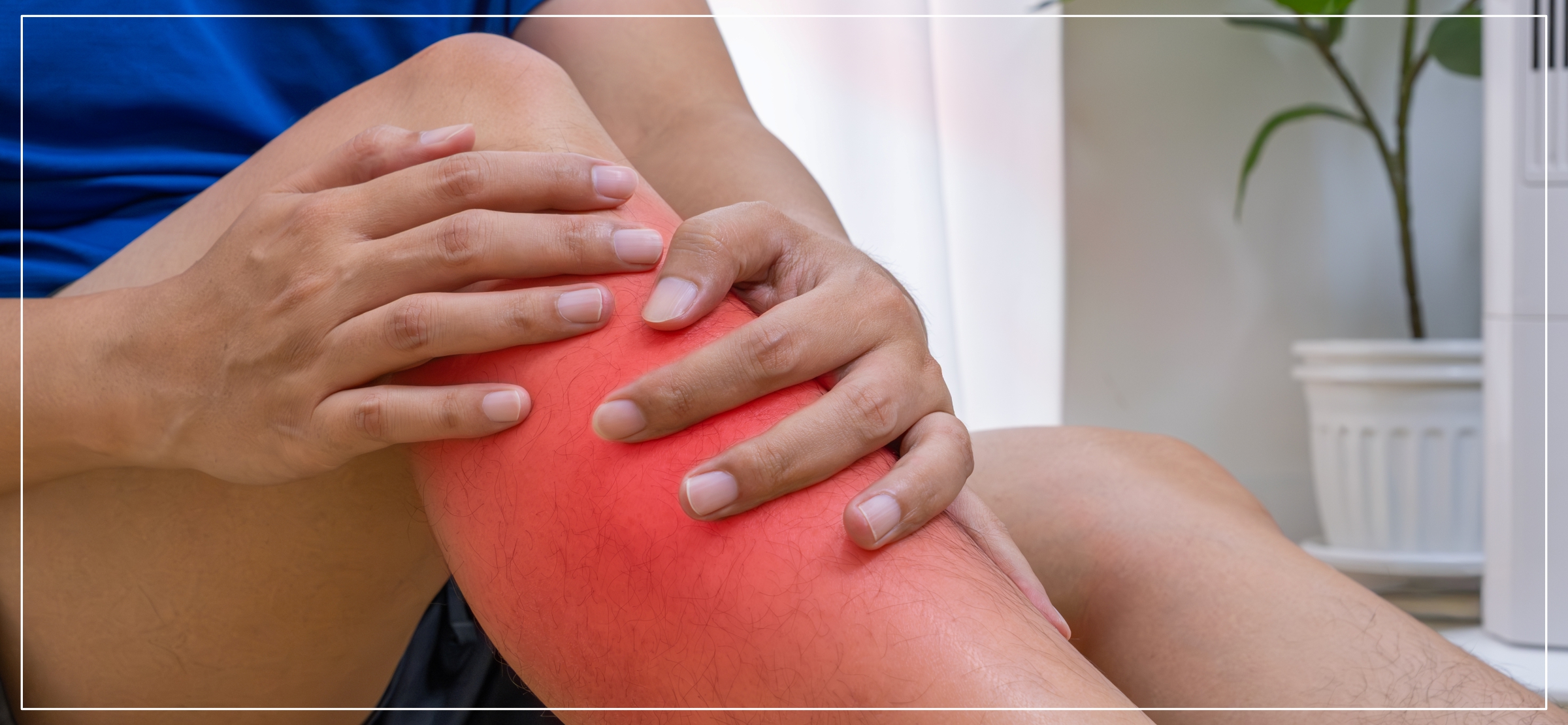
Whether you are jogging in the morning, training for a marathon, preparing for a fitness challenge, playing cricket, or engaging in weekend physical activities, shin pain can quickly disrupt your routine. Many people experience pain in the front part of the lower leg and assume it is simply muscle soreness. However, persistent shin pain may indicate a more serious issue.
Two common causes of shin pain are shin splints and bone stress injuries. While both conditions may seem similar, they require different methods of treatment and recovery. Knowing the difference can help prevent long-term complications and get you back to your activities safely.
The shin is the front part of the lower leg, where the tibia (shin bone) is located. Pain in this area often develops due to repetitive stress placed on the muscles, tendons, and bones during physical activity. It is common in athletes because repeated running or jumping places excessive stress on these structures.
Those commonly affected include:
Understanding the cause of the pain is important because not all shin pain is the same.
Shin splints develop when the muscles, tendons, and tissues around the shin bone become irritated due to repetitive stress. The medical term for shin splints is Medial Tibial Stress Syndrome (MTSS).
You may notice:
The pain is often spread over a larger area rather than being concentrated in one specific spot.
Several factors can increase the risk of developing shin splints:
Many occasional runners and beginners experience shin splints when they increase their activity levels too quickly.
A bone stress injury occurs when repeated pressure causes tiny areas of damage within the bone. Without adequate rest, this damage can progress to a stress fracture, which is a small crack in the bone. Unlike shin splints, bone stress injuries affect the bone itself.
You may experience:
As the condition worsens, even simple daily activities such as walking may become painful.
Although both conditions cause shin pain, there are several important differences.
Location of Pain
Shin splints typically cause pain over a larger portion of the shin.
In contrast, a bone stress injury usually causes pain in a small, localized area that can often be pinpointed with a finger.
Pain Patter
With Shin Splints:
With Bone Stress Injuries:
Severity
Shin splints generally involve irritation of the soft tissues surrounding the shin bone.
Bone stress injuries involve actual damage to the bone and require closer medical attention.
Certain individuals have a greater risk of developing these conditions.
Risk factors include:
In India, many young athletes, runners, and fitness enthusiasts train on hard concrete surfaces, which can increase stress on the lower legs.
To determine whether you have shin splints or a bone stress injury, a doctor will first review your exercise routine and discuss the nature of your symptoms. A thorough medical evaluation can help identify the exact cause of shin pain.
Doctors may recommend:
MRI is particularly useful for detecting early changes associated with bone stress injuries that may not appear on standard X-rays.
Managing Shin Splints
Treatment may include:
Most people recover well with adequate rest and a gradual return to activity.
Treatment often requires:
Ignoring a bone stress injury may increase the risk of developing a complete stress fracture.
Simple preventive measures can reduce the risk of both conditions.
Tips include:
Consistency is often more important than intensity when it comes to preventing injuries.
At Aakash Healthcare, our experienced orthopedic and sports injury specialists are here to help you manage shin pain, sports-related injuries, and bone stress conditions. We provide advanced diagnostic services, personalized treatment plans, physiotherapy support, and expert care to help you recover safely and return to your active lifestyle.
Shin pain should never be ignored, especially if it persists despite rest or begins affecting daily activities. While shin splints are usually caused by irritation of the muscles and soft tissues surrounding the shin bone, a bone stress injury involves actual damage to the bone and may require more intensive treatment.
Understanding the differences between these conditions can help ensure timely diagnosis and appropriate care.
Also Read: What is the Best Treatment for Heel Pain?
 011 4338 8888



Leave a Reply
Your email address will not be published. Required fields are marked *