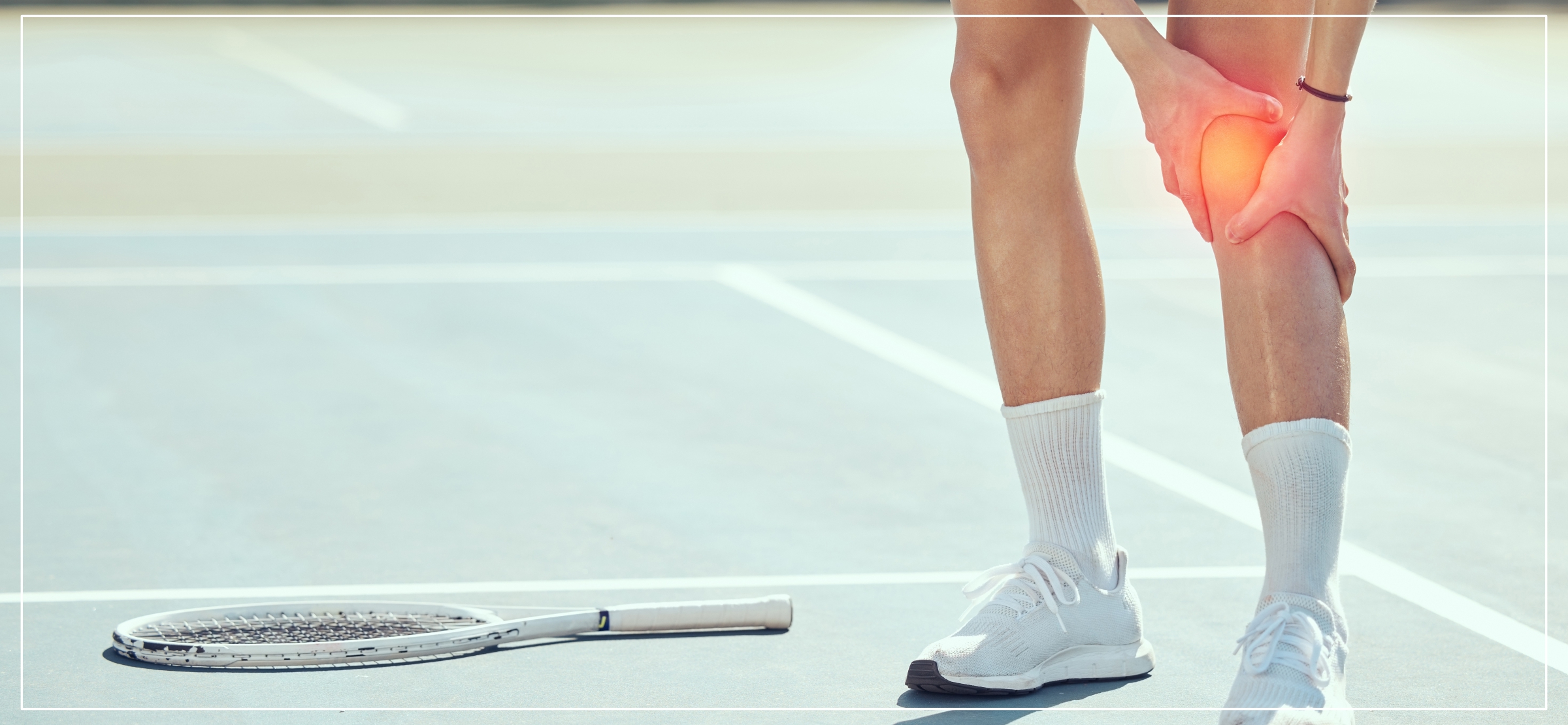
The best way to maintain good health is through sports, whether you're a professional athlete or someone who enjoys sports as a hobby. Even champions like Cristiano Ronaldo, Novak Djokovic, and Neeraj Chopra have overcome injuries and returned stronger with the right treatment and rehabilitation. Recognising the early signs of a sports injury and receiving the right treatment can make recovery faster and better.

What Are Sports Injuries?

Sports injuries are those that occur during exercise, training, or participation in sports or other athletic activities. They are divided into two categories:

1. Acute sports injuries: These happen suddenly during sports or physical activity.

  • Occur instantly due to a fall, collision, twist, or direct blow.
  • Caused by a single injury event, not over time.
  • Symptoms appear immediately, such as pain, swelling, bruising, or difficulty moving.
  • Need early treatment to reduce damage and help faster recovery.
  • Common examples: Sprains, strains, fractures (broken bones), dislocations, and muscle tears.

2. Overuse injuries: These develop slowly from repeated stress on the same body part.

  • Occur over time because of repeated movements without enough rest.
  • Caused by overtraining, poor technique, or doing too much too soon.
  • Symptoms start gradually, often with mild pain that worsens with activity.
  • Can become serious if ignored and may take longer to heal.
  • Common examples: Tennis elbow, shin splints, stress fractures, swimmer's shoulder, and runner's knee.

Common Types of Sports Injuries

Some of the common sports injuries include:

1. Sprains

  • Injury to a ligament (connects bone to bone).
  • Caused by twisting a joint.
  • Symptoms: Pain, swelling, bruising.

2. Strains

  • Injury to a muscle or tendon (connects muscle to bone).
  • Caused by overstretching or overuse.
  • Symptoms: Pain, swelling, muscle weakness.

3. Fractures

  • A broken or cracked bone.
  • Caused by a fall or hard hit.
  • Symptoms: Severe pain, swelling, difficulty moving.

4. Dislocations

  • A bone moves out of its normal position in a joint.
  • Causes severe pain, swelling, and deformity.

5. Tendinitis

  • Inflammation of a tendon due to repeated movement.
  • Causes pain and stiffness, especially during activity.

6. ACL Tears and Knee Injuries

  • The ACL is a ligament that keeps the knee stable.
  • It can tear during sudden twisting or landing.
  • Symptoms: Pain, swelling, unstable knee.

7. Shin Splints

  • Pain along the shin bone from too much running or jumping.
  • Common in runners and athletes.

8. Tennis Elbow

  • Injury to the tendons around the elbow from repeated arm movements.
  • Causes pain on the outer elbow and a weak grip.

9. Shoulder Injuries

  • Injuries such as sprains, strains, or dislocations.
  • Caused by falls, heavy lifting, or repeated overhead movements.
  • Symptoms: Pain, swelling, difficulty moving the arm.

10. Concussions

  • A mild brain injury caused by a blow to the head.
  • Symptoms: Headache, dizziness, confusion, nausea.

What Causes Sports Injuries?

The causes of sports injuries vary depending on the type of activity and the individual's physical condition. Understanding the causes and risk factors can help you take preventive steps beforehand.

Common causes of sports injury:

1. Poor warm-up
2. Overtraining
3. Incorrect technique
4. Direct impact
5. Repetitive movements

Risk factors for sports injuries:

1. Muscle weakness
2. Poor conditioning
3. Improper equipment
4. Fatigue
5. Faulty Supplements

Symptoms of Sports Injuries

The sports injury symptoms may vary widely; some may appear immediately after the accident or develop slowly with overuse, but

Commonly include:

1. Swelling
2. Pain
3. bruising
4. tenderness
5. stiffness
6. muscle weakness
7. Limited movement and difficulty bearing weight.
8. Instability

Recognising these signs early and seeking timely medical attention can help prevent future complications.

How are Sports Injuries Diagnosed?

A doctor assesses swelling, range of motion, joint stability, and pain points to make a better injury diagnosis. Imaging tests such as X-ray, MRI, CT scan and ultrasound may be recommended to identify the type of injury. A proper diagnosis allows doctors to develop an effective treatment plan for a fast recovery.

Sports Injuries Treatment Options

The appropriate sports injury treatment depends on the type and severity of the injury, but the lines of treatment are as follows-

  1. First Aid – It's the first treatment of any sports-based injury, where the RICE method is followed: Rest, ice, compression and elevation.
  2. Medications – Mild injuries may be managed with medications.
  3. Physical Therapy – Crucial role in restoring strength and flexibility, helping them to recover safely.
  4. Casts, Braces and Splints – These stabilise injured areas and support proper healing.
  5. Surgery – For severe cases, surgery is recommended along with rehab.

The Importance of Rehabilitation After a Sports Injury

If you feel you don't have pain after your injury, hence you have recovered, but recovery does not end once the pain subsides. Rehabilitation is a really important step for avoiding re-injury and bringing back normal movements even if your pain has subsided.

This rehabilitation of sports injury is divided into phases as follows:

  1. Phase 1: Rest and Protect – Reduce further damage and allow initial healing.
  2. Phase 2: Restore Mobility – Gentle stretching and movement to regain range of motion.
  3. Phase 3: Build Strength – Targeted exercises to rebuild muscle around the injury.
  4. Phase 4: Improve Balance and Coordination – Sports physiotherapy techniques
  5. restore stability.
  6. Phase 5: Return to Sport – A gradual, supervised return to sports after injury minimises setbacks.

How to Prevent Sports Injuries

Effective sports injury prevention begins with simple, consistent habits.

  1. Always warm up before exercise and cool down after activity.
  2. Use proper technique.
  3. Wear appropriate protective equipment for your sport.
  4. Build strength and flexibility through regular exercise.
  5. Stay hydrated.
  6. Increase training intensity gradually, avoiding overtraining.
  7. Listen to your body's warning signs; rest when you have pain.

Conclusion

Sports injuries are common, but with timely diagnosis, appropriate treatment, and proper rehabilitation, most people can make a safe and successful recovery. Taking preventive measures and seeking medical care when needed can help you stay active and return to the activities you enjoy with confidence. Book an appointment today and get an honest and proper opinion with one of the best sports injury doctors in Delhi.

with Dr. Bharat Bahre

×

Call Us

+91 88000 15905

"Or" We Just need a few details


Leave a Reply

Your email address will not be published. Required fields are marked *