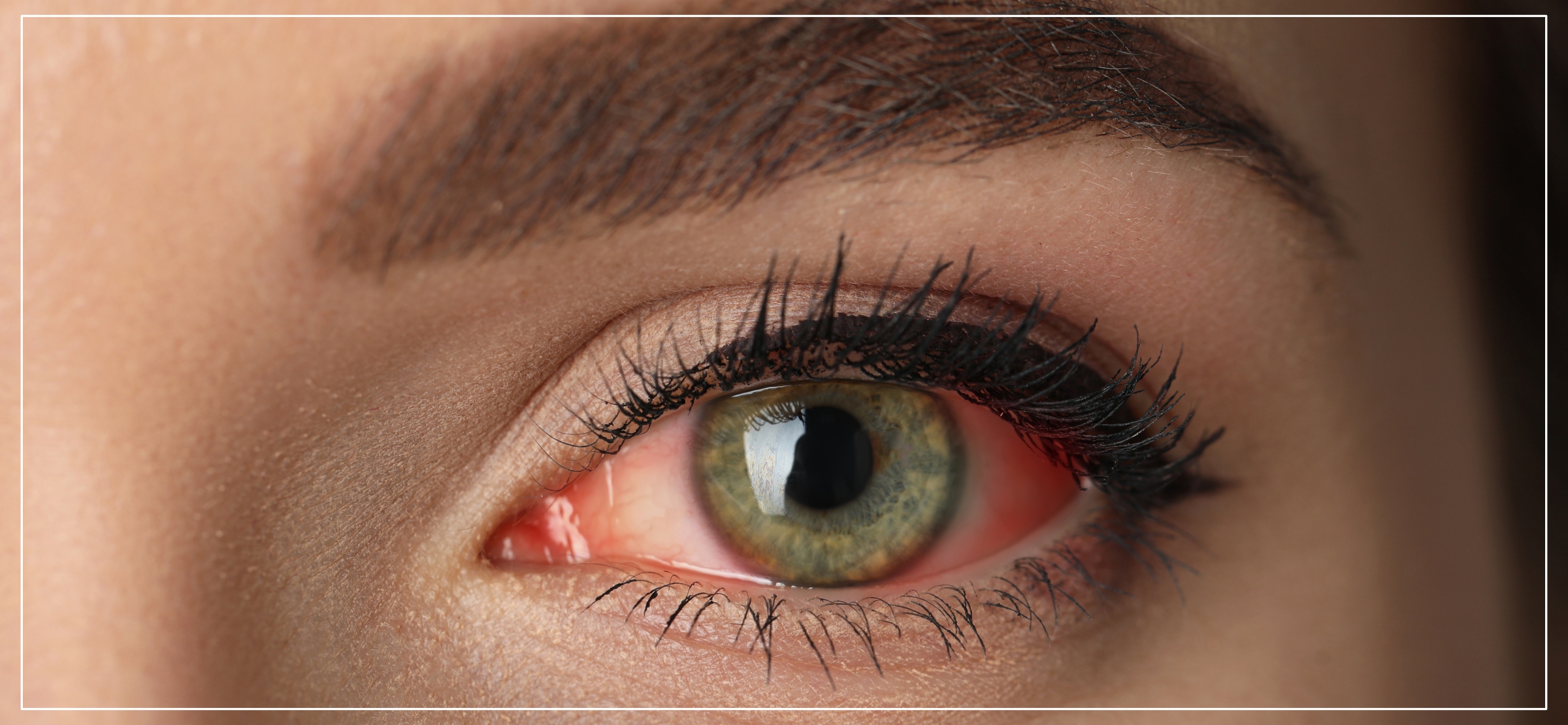
The rainy season brings high humidity, stagnant water, and increased bacterial and viral activity, making eyes more prone to irritation and infection. Conjunctivitis, or eye flu, is common during this time.
Good hygiene and early treatment can prevent most eye infections from becoming serious. If symptoms persist or worsen, see a specialist in the Department of Ophthalmology & Refractive Surgery.
Why Do Eye Infections Increase During the Monsoon?
Monsoon conditions promote the growth of bacteria, viruses, and fungi due to:
- Rainwater contamination: Carries dirt and microorganisms.
- High humidity: Germs survive longer on surfaces and hands.
- Frequent face-touching: Transferring germs to the eyes by wiping sweat or adjusting glasses.
- Poor hygiene: Touching the eyes with unwashed hands raises infection risk.
Common Types of Monsoon Eye Infections
- Conjunctivitis (Eye Flu): Inflammation of the conjunctiva, caused by viruses or bacteria. Highly contagious.
- Stye (Hordeolum): A painful bump near the eyelid, caused by a bacterial infection of an oil gland.
- Corneal Ulcers: Infections of the cornea from bacteria or fungi, which can threaten vision if untreated.
- Fungal Eye Infections: Less common but can occur after eye injuries or improper contact lens use; require medical attention.
Common Symptoms
Look out for:
- Red or itchy eyes
- Watery or sticky discharge
- Swollen eyelids
- Sensitivity to light
- Blurred vision
Seek medical help if symptoms worsen or do not improve.
Preventing Eye Infections During the Monsoon
Follow these precautions:
- Hygiene: Wash hands frequently and avoid touching your eyes.
- No Sharing: Don't share personal items like towels or eye makeup.
- Contact Lens Care: Avoid wearing lenses in the rain or with irritated eyes, and clean them properly.
- Eyewear Protection: Wear sunglasses or protective glasses to shield eyes from rainwater and pollution.
- Avoid Old Eye Drops: Don't use expired or shared eye drops.
- Clean Surroundings: Keep linens clean and prevent stagnant water at home.
Treatment for Monsoon Eye Infections
Treatment varies:
- Bacterial Conjunctivitis: Requires antibiotic eye drops.
- Viral Conjunctivitis: Usually clears in 7–10 days; cold compresses may help.
- Styes: Improve with warm compresses; antibiotics may be needed.
- Corneal Ulcers and Fungal Infections: Require prompt evaluation and targeted treatment from an ophthalmologist.
- Avoid self-medicating.
When to See an Eye Doctor?
Contact an ophthalmologist if you experience:
- Symptoms lasting over 2–3 days
- Increased pain, swelling, or discharge
- Blurred vision or sensitivity to light
- Severe redness or discomfort
- Symptoms with fever
Early diagnosis and treatment are crucial for protecting vision.
Frequently Asked Questions
- Is conjunctivitis contagious?
Yes, it spreads through contaminated hands and items.
- How long does eye flu last?
Viral conjunctivitis usually resolves in 7–10 days.
- Can I wear contact lenses during the monsoon?
Yes, but avoid them in the rain and follow proper care guidelines.
- Are monsoon eye infections dangerous?
Most are mild but can threaten vision if untreated.
Conclusion
The monsoon increases the risk of eye infections due to humidity and contaminated environments. Practice good hygiene and protect your eyes. Consult an ophthalmologist if symptoms persist or worsen for timely treatment.


 Call Us:
011 4338 8888
Call Us:
011 4338 8888

 Book an Appointment
 Locate us on Google Map
 011 4338 8888



Leave a Reply
Your email address will not be published. Required fields are marked *