

 Call Us:
011 4338 8888
Call Us:
011 4338 8888

 Book an Appointment
 Locate us on Google Map
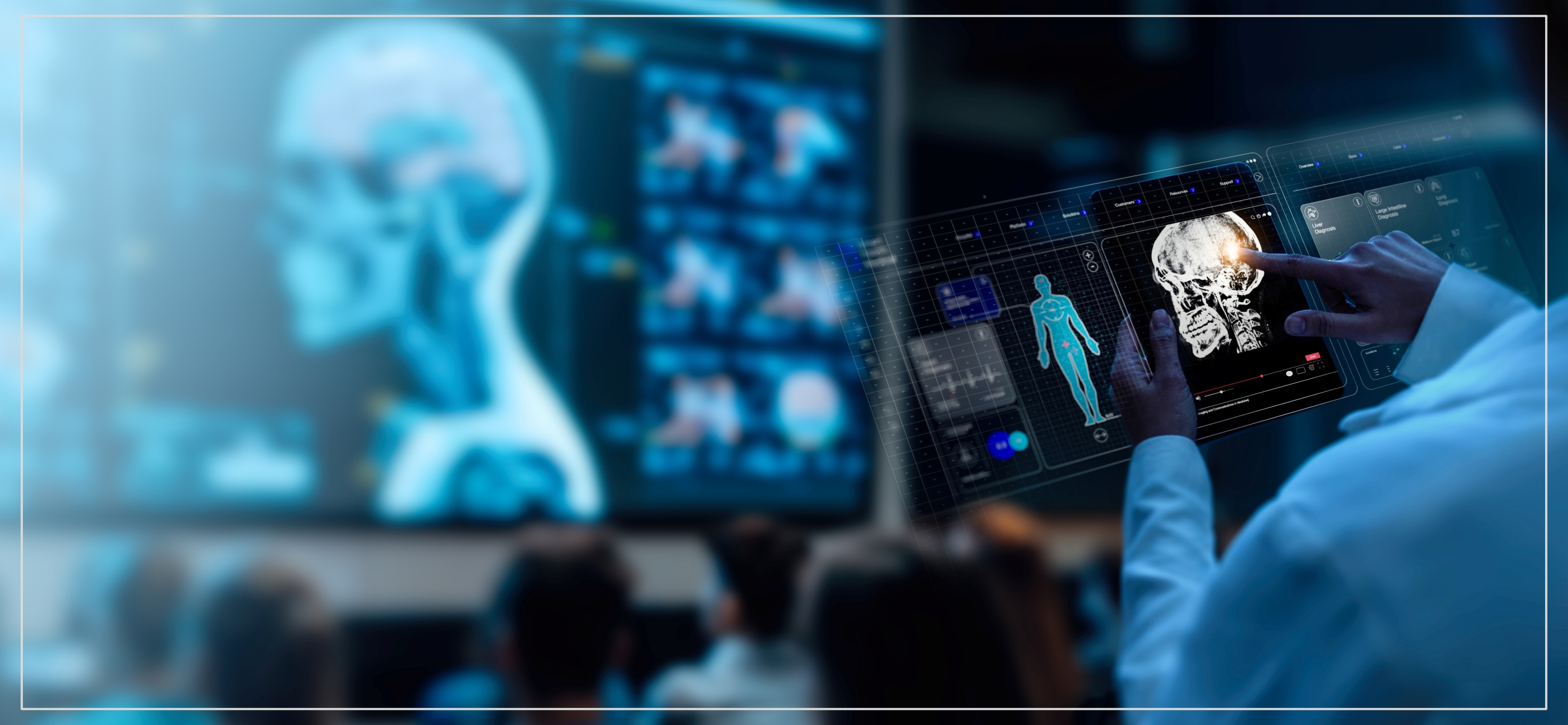
Modern healthcare is rapidly evolving, and one of the most significant advancements driving this change is medical imaging. From simple X-rays to highly sophisticated technologies such as MRI, CT scans, PET scans, and ultrasound, advanced imaging has revolutionized the way diseases are detected, diagnosed, and monitored. Today, these technologies allow doctors to identify health conditions much earlier than ever before, often before symptoms even appear. Early detection not only improves treatment outcomes but can also save lives.
Many serious diseases, including cancer, heart disease, stroke, and neurological disorders, often develop silently in their early stages. By the time symptoms become noticeable, the condition may have already progressed, making treatment more challenging and less effective.
Early detection helps healthcare providers intervene before a disease advances. This can lead to more treatment options, lower healthcare costs, shorter recovery times, and significantly improved survival rates. Advanced imaging plays a crucial role in making this possible by providing detailed views of the body's internal structures and functions.
Advanced imaging refers to modern diagnostic technologies that create detailed images of organs, tissues, blood vessels, and bones. These imaging techniques allow physicians to look inside the body without invasive procedures.
Some of the most commonly used advanced imaging technologies include:
Cancer is one of the areas where advanced imaging has made the greatest impact. Imaging technologies can identify tumors at a very early stage, often before they cause symptoms.
For example, mammography helps detect breast cancer years before a lump becomes noticeable. Low-dose CT scans can identify lung cancer in high-risk individuals, while MRI and PET scans help detect tumors in the brain, liver, prostate, and other organs.
Advanced imaging not only helps in detecting cancer but also assists doctors in determining the size, location, and spread of tumors. This information is essential for creating personalized treatment plans and monitoring response to therapy.
Heart disease remains one of the leading causes of death worldwide. Many cardiovascular conditions can develop silently, making early diagnosis critical.
Modern imaging techniques such as CT coronary angiography, cardiac MRI, echocardiography, and vascular ultrasound allow doctors to assess the heart and blood vessels with remarkable accuracy. These technologies can detect blocked arteries, weakened heart muscles, congenital abnormalities, and early signs of heart failure.
By identifying cardiovascular problems before a major event such as a heart attack or stroke occurs, physicians can recommend lifestyle changes, medications, or procedures that significantly reduce health risks.
Neurological conditions such as stroke, Alzheimer's disease, epilepsy, and brain tumors require precise diagnosis for effective treatment. Advanced imaging has dramatically improved the ability to evaluate the brain and nervous system.
MRI provides highly detailed images of brain tissues, helping physicians identify tumors, multiple sclerosis, and structural abnormalities. Functional MRI (fMRI) can even assess brain activity by measuring blood flow changes.
In stroke management, rapid CT and MRI imaging help doctors determine the type and location of the stroke within minutes. This enables timely treatment, which can prevent permanent brain damage and improve recovery outcomes.
Advanced imaging is increasingly being used as part of preventive healthcare strategies. Screening programs utilize imaging to identify diseases before symptoms develop.
Examples include:
These screenings help identify individuals at risk and allow healthcare providers to initiate preventive measures early.
Artificial Intelligence (AI) is further enhancing the capabilities of advanced imaging. AI-powered software can analyze thousands of images quickly, helping radiologists identify subtle abnormalities that might otherwise be missed.
AI can assist in detecting early-stage cancers, measuring disease progression, prioritizing urgent cases, and improving reporting accuracy. While AI does not replace medical experts, it serves as a valuable tool that supports faster and more precise diagnoses.
One of the greatest benefits of advanced imaging is its contribution to precision medicine. Detailed imaging data helps physicians understand each patient's unique condition and tailor treatment accordingly.
Instead of using a one-size-fits-all approach, doctors can develop individualized treatment plans based on the exact location, severity, and characteristics of a disease. This leads to more effective treatments, fewer complications, and improved patient outcomes.
Advanced imaging has become an indispensable part of modern medicine. By enabling earlier and more accurate disease detection, these technologies are transforming healthcare and improving lives across the globe. From identifying cancer in its earliest stages to detecting heart disease, neurological disorders, and other serious conditions, advanced imaging provides physicians with the information they need to make timely and informed decisions.
As imaging technology continues to evolve, supported by innovations such as artificial intelligence and enhanced image resolution, the future of early disease detection looks increasingly promising. Ultimately, advanced imaging is not just helping doctors diagnose diseases, it is empowering them to prevent complications, personalize treatment, and improve the overall quality of patient care.
 011 4338 8888


Leave a Reply
Your email address will not be published. Required fields are marked *