If, for any condition, a doctor recommends surgery, the first thing that comes to mind are scalpels, cuts, prolonged hospital stays, and long recovery times. That’s why many people avoid treatments and look for non-surgical options.
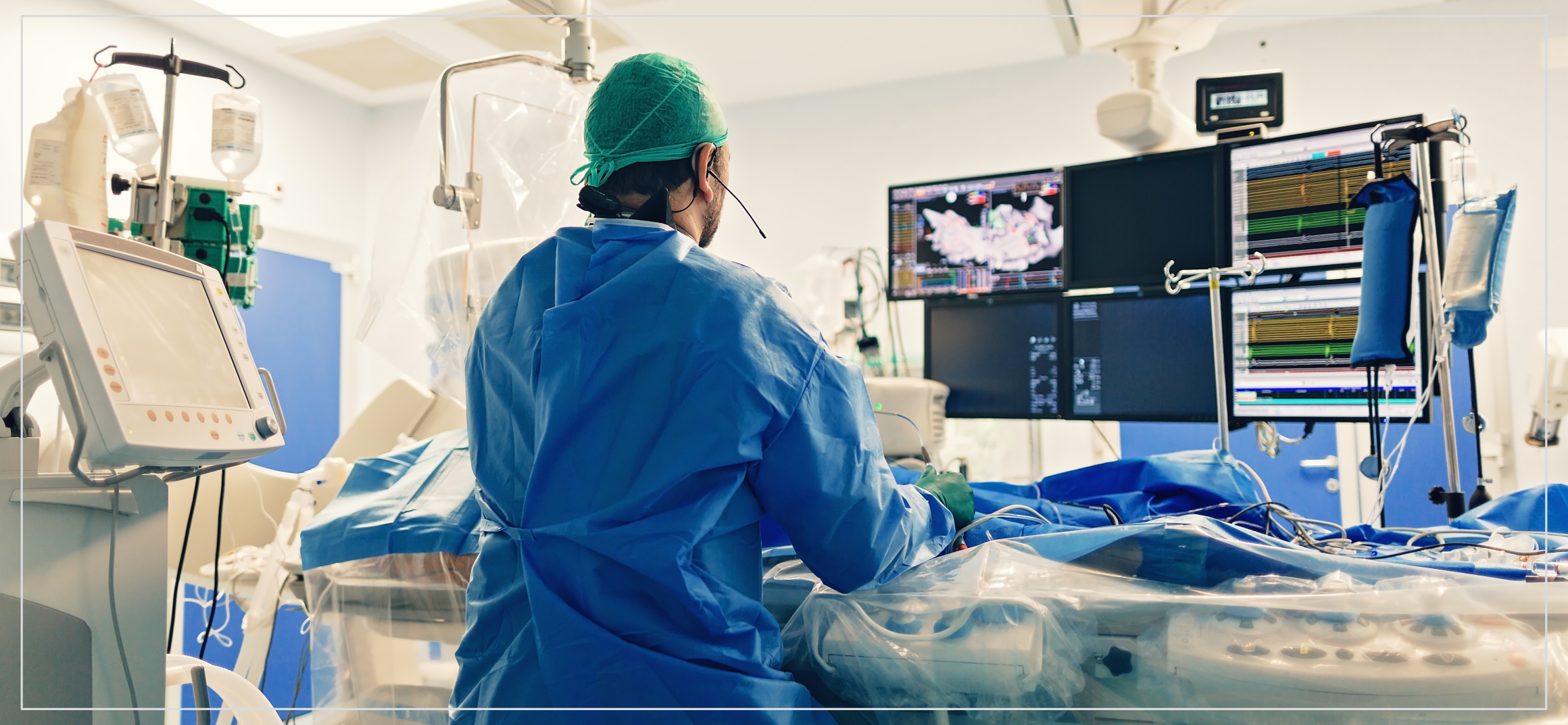
Now imagine a medical procedure with no scalpels, no stitches, and discharge within a day. Yes, this is possible. Interventional Radiology Treatments are advanced procedures where precision replaces pain and technology guides expertise.
What are Interventional Radiology Treatments (IRT)?
Imagine treating a disease from inside the body without opening it up. That’s exactly what Interventional Radiology Treatments mean.
Interventional Radiology is a medical specialty that uses advanced imaging techniques like X-rays, CT scans, and ultrasound to guide minimally invasive, non-surgical procedures for diagnosing and treating diseases.
In IRT, instead of traditional surgery, doctors make a small incision (often just a few millimeters) to treat conditions like cancer, tumors, blockages, and bleeding, reducing trauma and enabling faster recovery.
Common Conditions Treated Without Surgery
The best thing about Interventional Radiology Treatments is that they can be used to treat a wide range of conditions across multiple specialties:
- Enlarged Prostate (BPH): When the prostate enlarges, it can cause difficulty in urination. A procedure called Prostate Artery Embolization (PAE) reduces its size by limiting blood supply, eliminating the need for surgery.
- Varicose Veins: Swollen, twisted veins can be treated with EVLA or RFA or Venaseal glue injection, which seal damaged veins from the inside.
- Uterine Fibroids: Instead of surgically removing fibroids, Uterine Artery Embolization (UAE) cuts off their blood supply, causing them to shrink and easing symptoms.
- Uterine Adenomyosis: Similar to fibroids, this painful condition can also be managed with UAE by reducing blood flow to affected tissue.
- Varicocele (Male Infertility Issue): Enlarged veins in the scrotum can be treated through varicocele embolization, which blocks faulty veins and improves comfort and fertility potential.
- Back Pain (Spine Fracture): Procedures like vertebroplasty and kyphoplasty stabilize fractured spinal bones by injecting special cement, providing rapid pain relief.
- Liver Tumors: Advanced techniques like TACE/ TARE deliver chemotherapy/ radioactive particles directly to the tumor, while RFA/ MWA uses heat to destroy cancer cells, targeted and effective.
- Chronic Pelvic Pain: Conditions like pelvic congestion syndrome can be treated by blocking problematic veins, helping reduce long-standing pain.
- Leg Pain (Peripheral Arterial Disease): Blocked arteries can be opened using angioplasty and stents, improving blood flow and reducing pain while walking.
- Arteriovenous Malformations (AVM): Abnormal blood vessels can be safely reduced or blocked using embolization techniques.
- Severe Lung Bleeding (Hemoptysis): Bronchial artery embolization helps control dangerous lung bleeding by sealing the source.
- Fertility-Related Issues (Hysterosalpingography): A special dye test helps diagnose and sometimes treat blockages in the uterus and fallopian tubes.
- Blocked Fallopian Tubes: Minimally invasive recanalization can reopen blocked tubes, improving chances of pregnancy without surgery.
- Knee Pain: Persistent knee pain, especially due to osteoarthritis, can be managed with image-guided injections or genicular artery embolization.
- Plantar Fasciitis: Heel pain caused by plantar fasciitis can be treated with minimally invasive, image-guided microembolization. This helps reduce inflammation in the tissue and eases pain.
Why are Patients Choosing Interventional Radiology Treatments?
There are several reasons why this field is gaining attention among both doctors and patients looking for safer and faster alternatives to surgery:
- Minimally Invasive: Instead of large incisions, IR uses small punctures, reducing scarring and damage to surrounding tissue.
- Less Pain: Procedures are performed using catheters and wires through blood vessels or small skin punctures, resulting in minimal pain and fewer complications.
- Faster Recovery: Many procedures are done on a day-care basis, allowing patients to return home the same day.
- Lower Risk: Minimally invasive techniques reduce the chances of infection and blood loss compared to open surgery.
- Precision-Based Treatment: Imaging guidance (such as fluoroscopy, ultrasound, or CT scans) ensures accuracy, allowing doctors to target only the affected area.
- Reduced Need for General Anesthesia: Many procedures can be performed under local anesthesia or conscious sedation, lowering associated risks.
Who Can Benefit from Interventional Radiology Treatments?
Not every condition requires open surgery—many can be treated with minimally invasive procedures. People who benefit include:
- Patients with Chronic Conditions: Those dealing with long-term issues like varicose veins, liver disorders, or vascular diseases.
- Elderly Patients: Older adults who face higher surgical risks can benefit from safer alternatives with quicker recovery.
- People with Busy Lifestyles: Ideal for those who cannot take long breaks, as recovery is faster.
- Patients Seeking Faster Recovery: Smaller incisions mean less pain, minimal scarring, and shorter hospital stays.
- Those Afraid of Surgery: These techniques reduce fear by offering a less invasive and more comfortable option.
- People with High Surgical Risk: Patients with conditions like heart disease, diabetes, or weak immunity can still receive treatment safely.
- Cancer Patients Needing Targeted Care: Those requiring localized treatment benefit from precise, image-guided procedures.
Conclusion
With advancements in science, healthcare is evolving, and so are treatment approaches. Interventional Radiology Treatments are transforming the healing experience by offering solutions that are less painful, more precise, and quicker to recover from.
At Aakash Healthcare, we offer cutting-edge Interventional Radiology Treatments performed by experienced specialists, ensuring precision, safety, and faster recovery.
Whether it’s a complex condition or a second opinion, expert care is always within reach.


 Call Us:
011 4338 8888
Call Us:
011 4338 8888

 Book an Appointment
 Locate us on Google Map
 011 4338 8888


Leave a Reply
Your email address will not be published. Required fields are marked *